




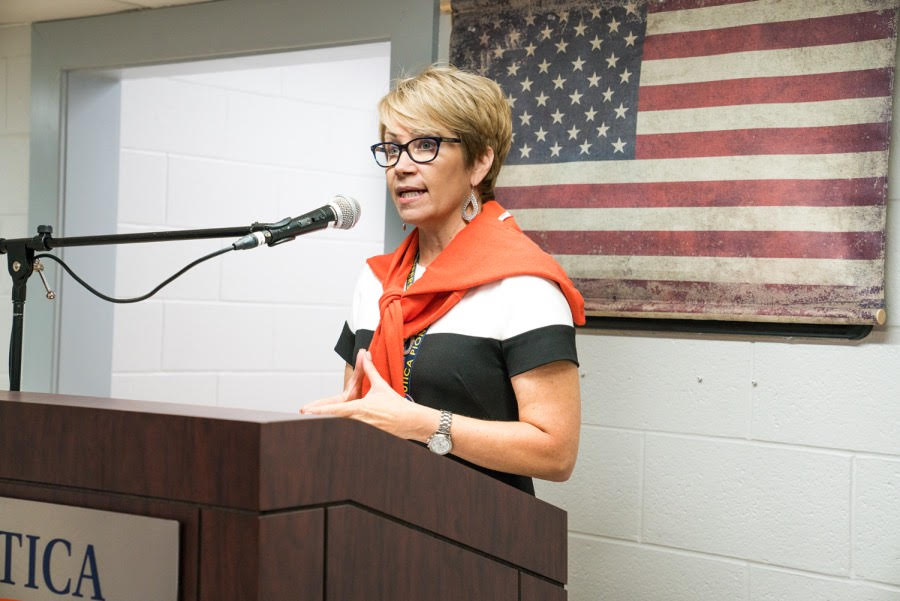

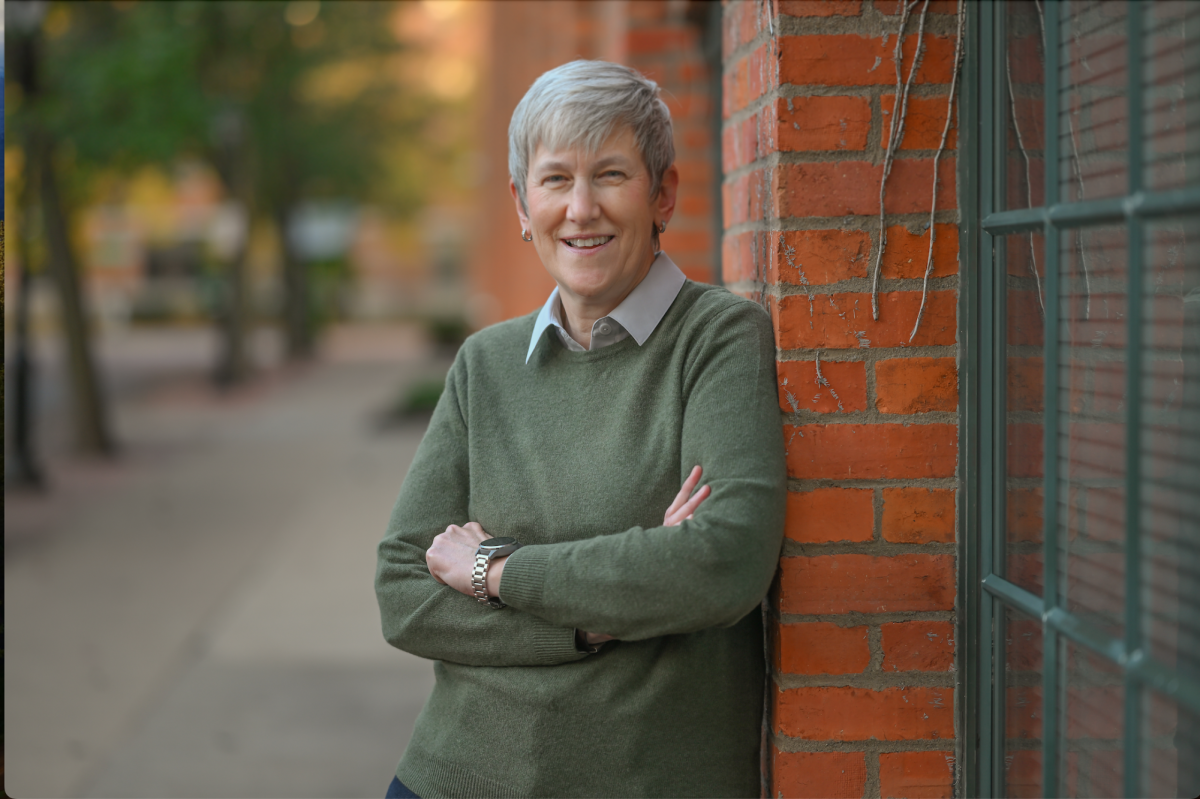


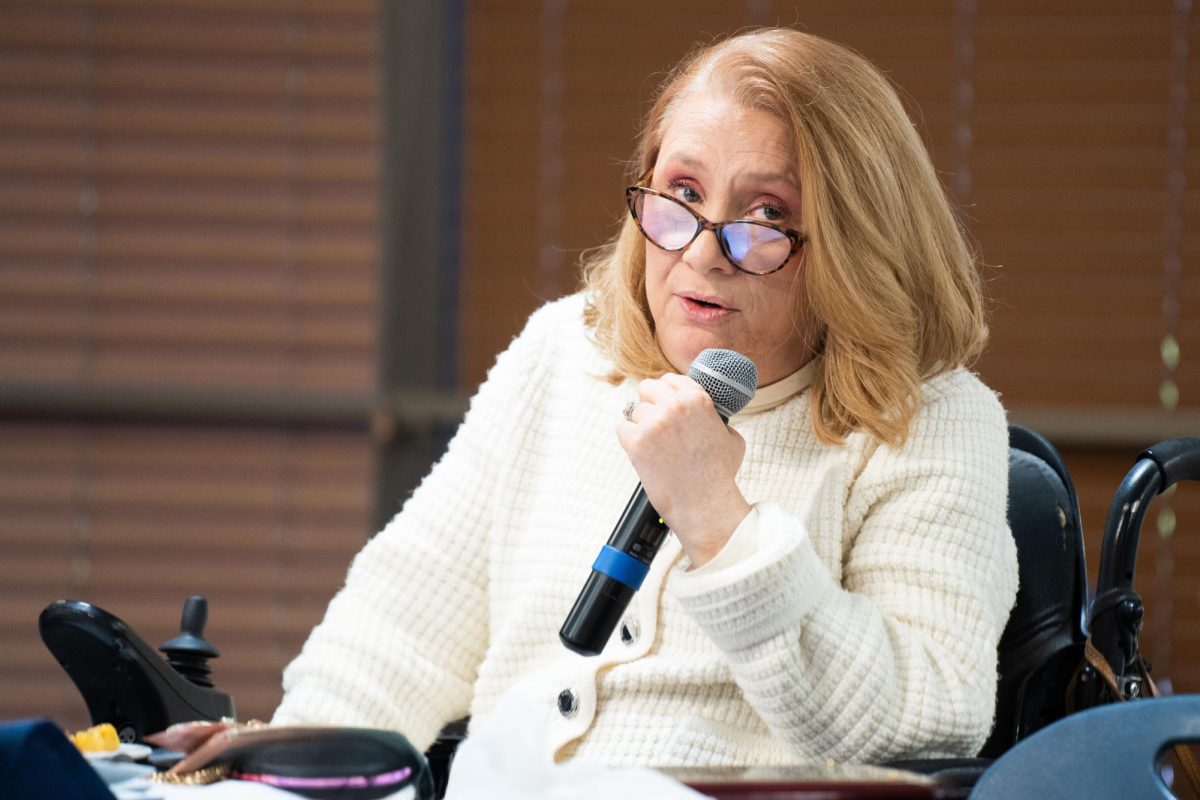


















































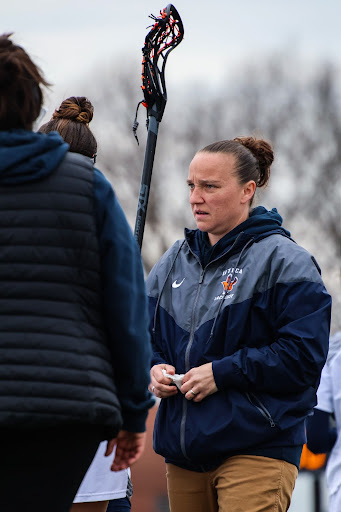



























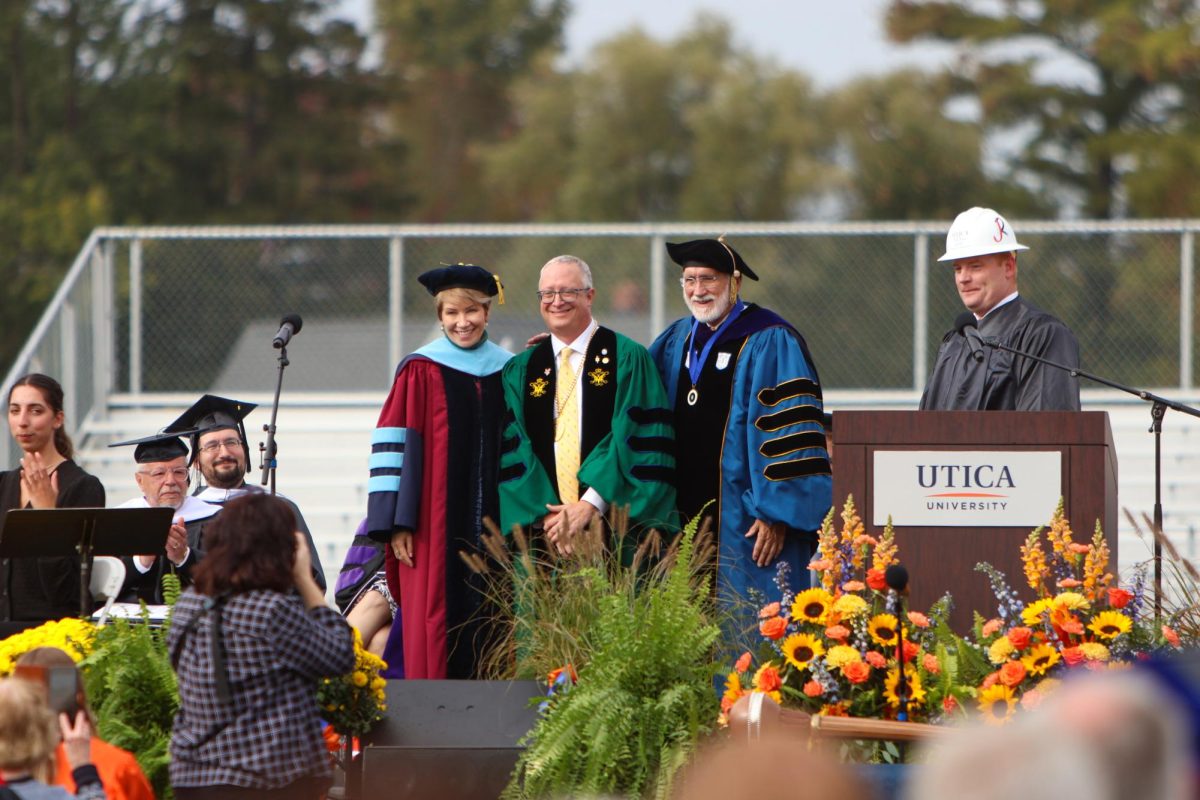


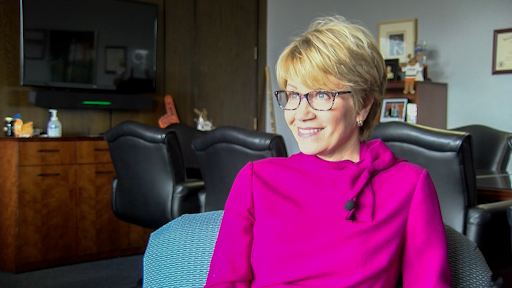





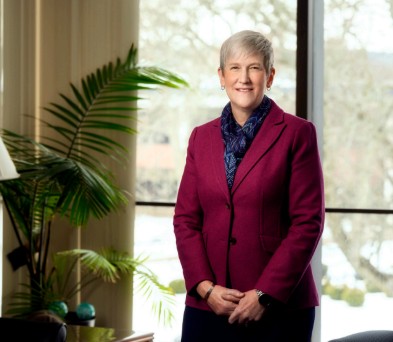
President Stephanie Nesbitt is approaching her 100 days in office these next couple of months. A little over half way there, and Nesbitt is confident that her 100 day agenda will be completed by the deadline of April 10. Some of these plans include developing a three year strategic plan, addressing campus morale with Campus Climate Survey, assembling a Community Member Cabinet, and more.
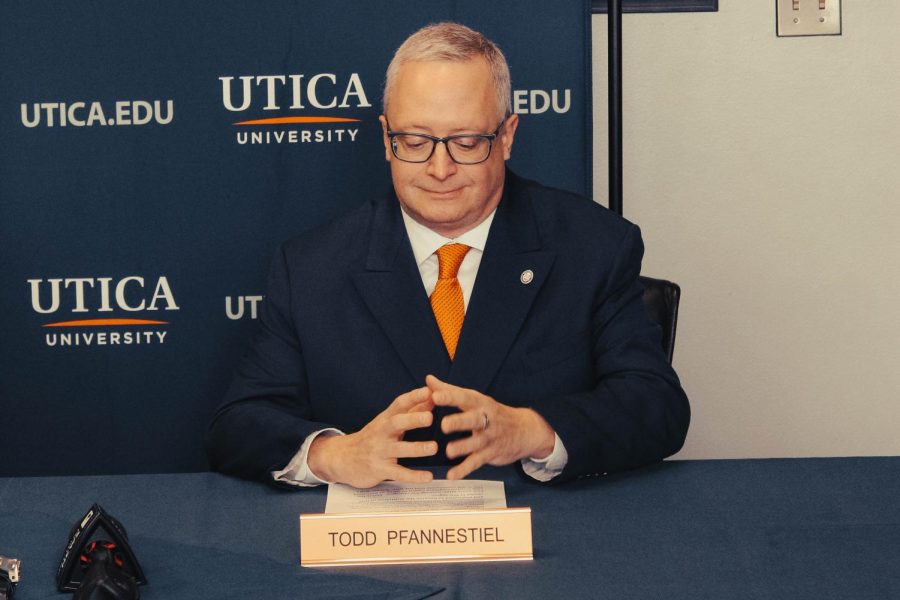
As Provost, Nesbitt started her planning process, so as soon as she got into office she took action with the plan that her and former President Todd Pfannestiel worked on. The plan is comprehensive and ambitious, but Nesbitt is optimistic that her and her boards will be able to achieve everything they set out to do.
“I understood what our problems were; I know the people; I understand the campus. So I was able to, even before January 1, start working,” Nesbitt said. “It wasn’t hitting the ground, running. It was like hitting the ground, sprinting.”
Out of everything on her list, Nesbitt’s highest priority is to improve communication on campus between the administration and students, faculty and staff. She aims to keep the campus informed with the decisions and actions that the university is making, while also reminding people that there are fun and exciting events and news happening on campus.
Her other main priority is continuing to focus on developing academic programs and offering the right set of programs. At the beginning of the school year a proposed program deletion list was created. Currently, all of the programs listed are going through the process of whether they should be kept in the Academic Program Portfolio or not. According to Nesbitt, there have been productive conversations between board members about which programs are sustainable and realistic to keep or not.
The most challenging part of her first 100 days has been the financial reconstruction plan, as Nesbitt was put into office during a difficult time for the university financially. She understands that people are concerned about the university’s financial situation, however, she assures that she is taking steps to conquer these issues.
“I want everyone to know we’re getting the job done,” Nesbitt said. “We know what we have to do, and we’re working really hard to make progress there.”
The Campus Climate Survey was sent out by members in the Psychology Department to see what students’ main morale issue is on campus. Nesbitt said that the biggest issues reported are students not feeling valued and the financial pressure that the university has been facing since COVID. Although no morale issue is good, these issues are fixable and are currently under the process of being fixed, according to Nesbitt.
All of these behind-the-scenes things happening right now are designed to build. The main purpose of these plans are to build a stronger community, become stronger financially, and to focus on improving for the long term future.
“[This plan] impacts every student because it’s building,” Nesbitt said. “It’s building the foundation to move into the next 80 years of our existence.”
Nesbitt plans on updating the university after spring break on the progress of her first 100 days.