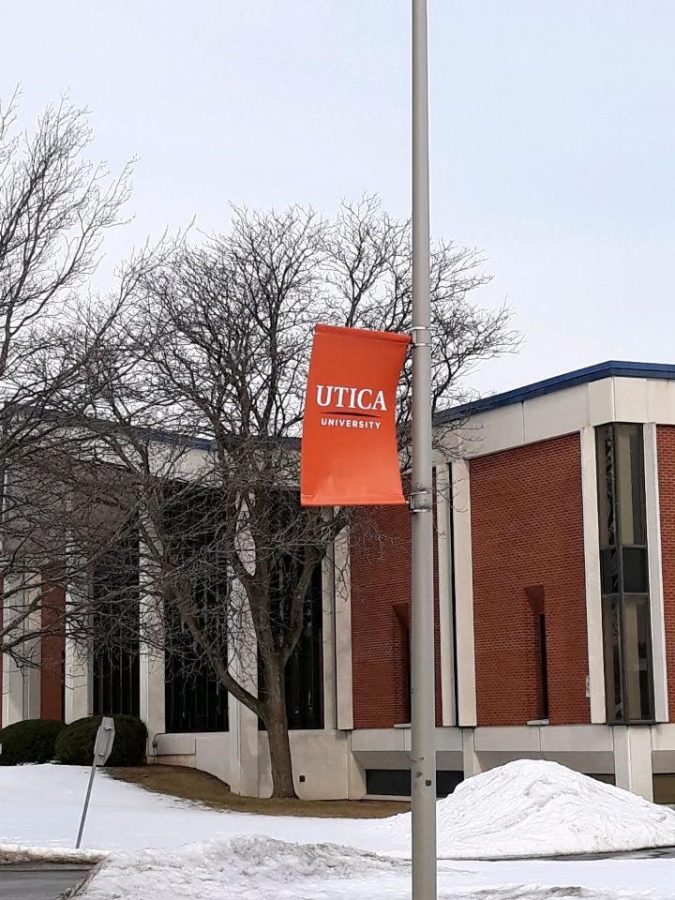
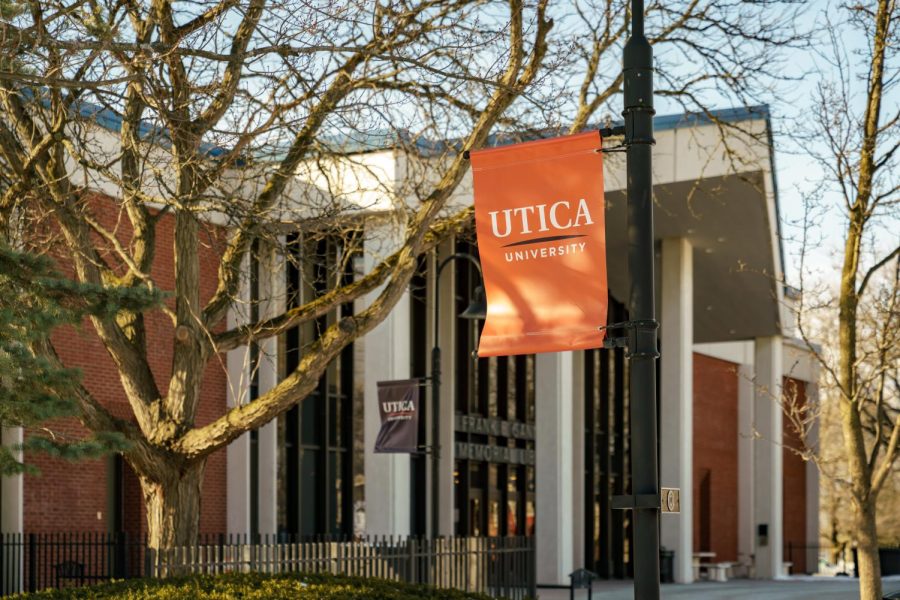

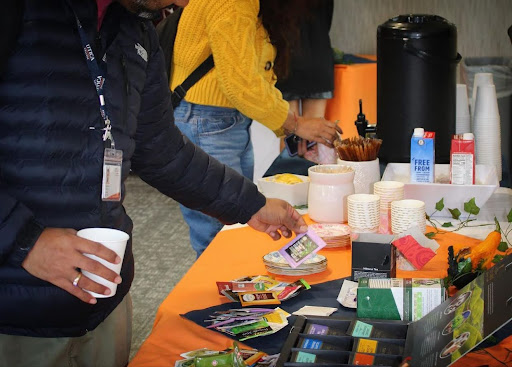
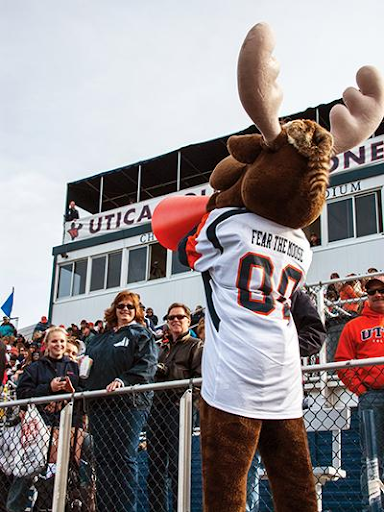





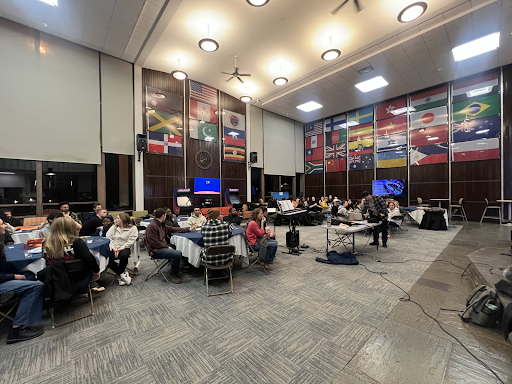

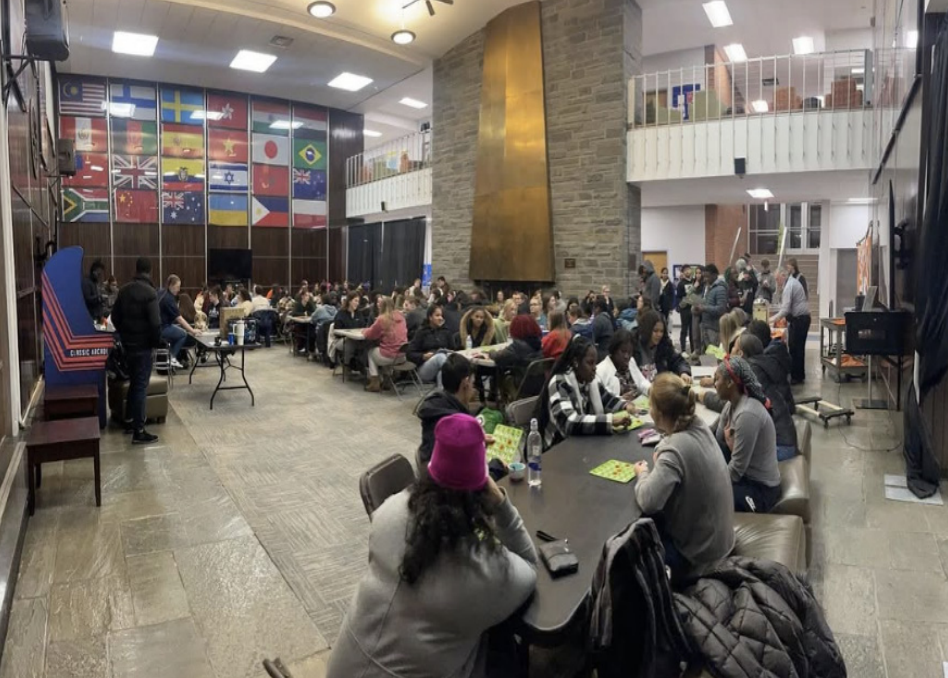










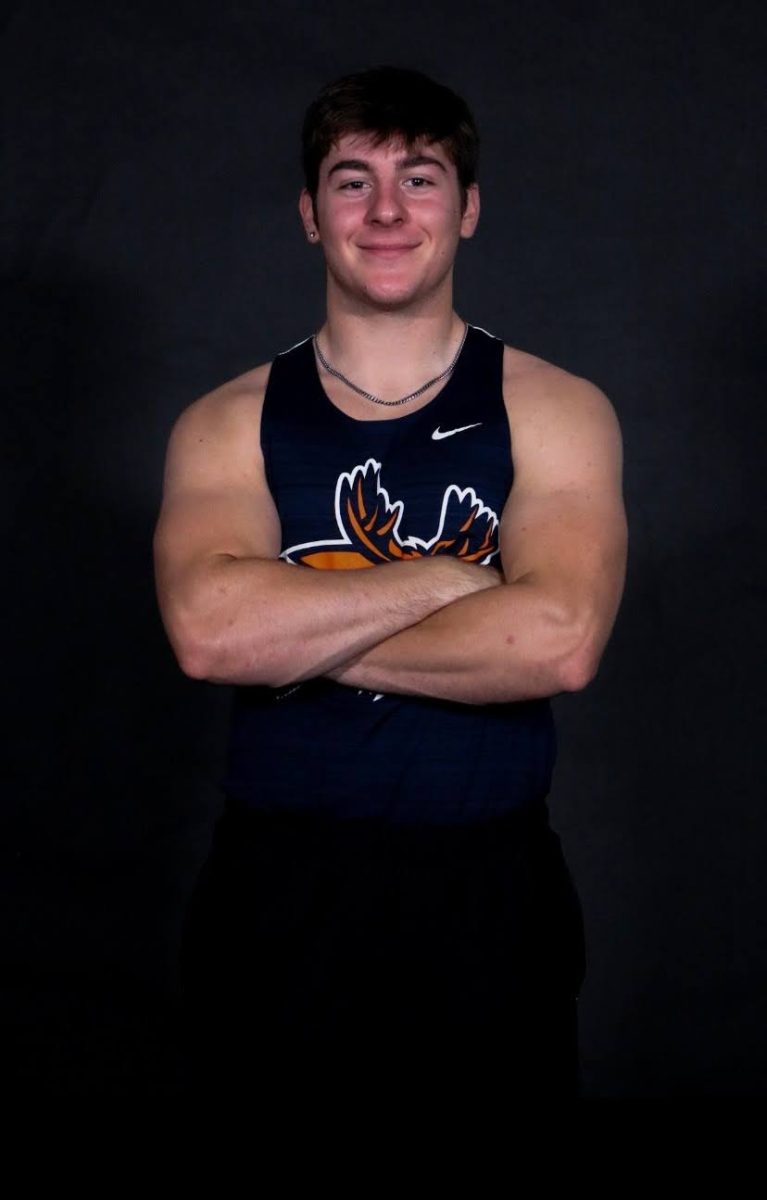



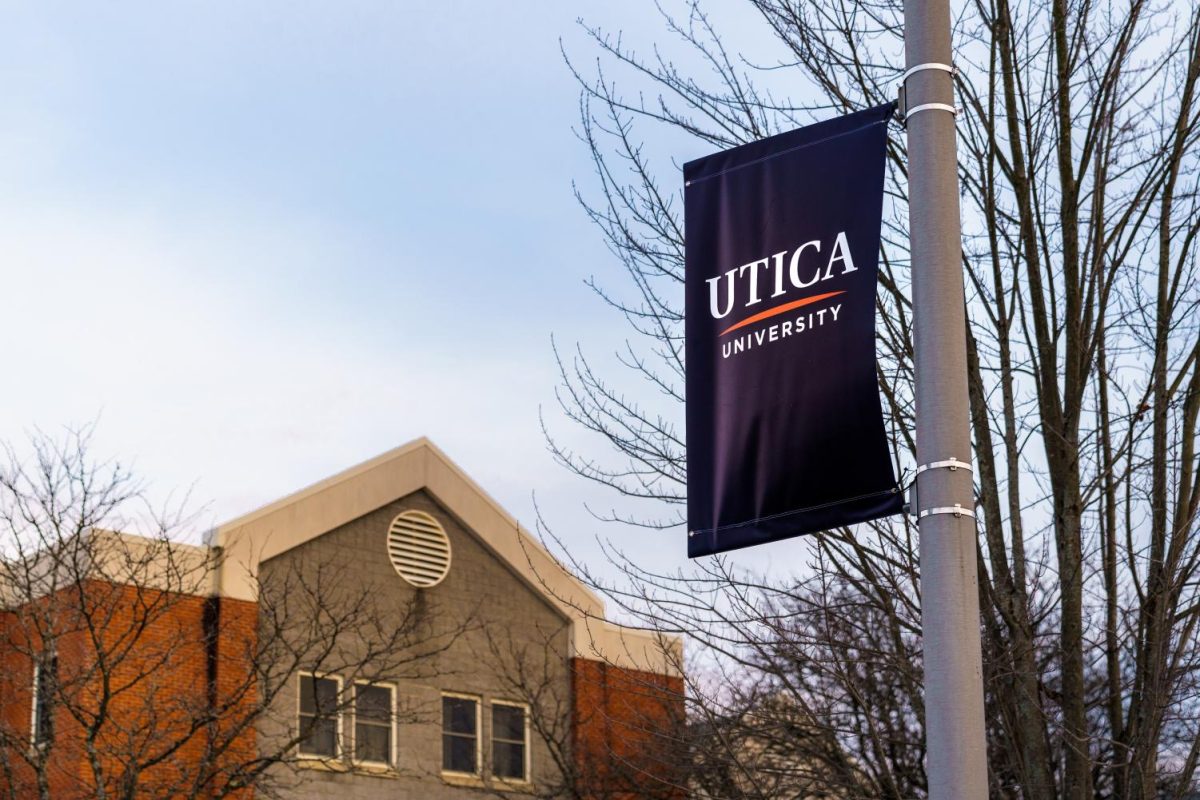



It was a random day during the spring of 2022 when Matthew Breault walked into the Strebel Student Center at Utica University and saw the football team hosting an event called “Be The Match.”
There were multiple students who walked by the event and may have not understood its impact or purpose, but Breault didn’t walk by the opportunity.
The idea of saving someone’s life became a no-brainer, and his decision turned out to be one that would not only change another person’s life, but his as well. He started talking to someone at the table and quickly realized the event was more than just a campus activity.
The National Marrow Donor Program (NMDP), is a nonprofit organization that connects blood stem cell donors with patients battling blood cancers and other life-threatening disorders, according to my.nmdp.org.
“I actually still have the first confirmation text message from March 23, 2022 when I joined, and on May 27, 2022 when I was officially added to the registry,” Breault said. “It’s crazy to think about.”
At the time, Breault said he understood cancer was serious, but he did not fully realize how many people rely on transplants until he began the donation process years later.
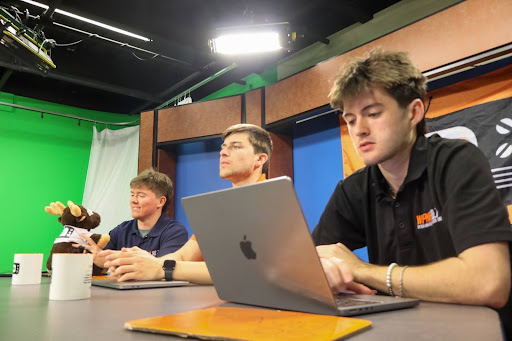
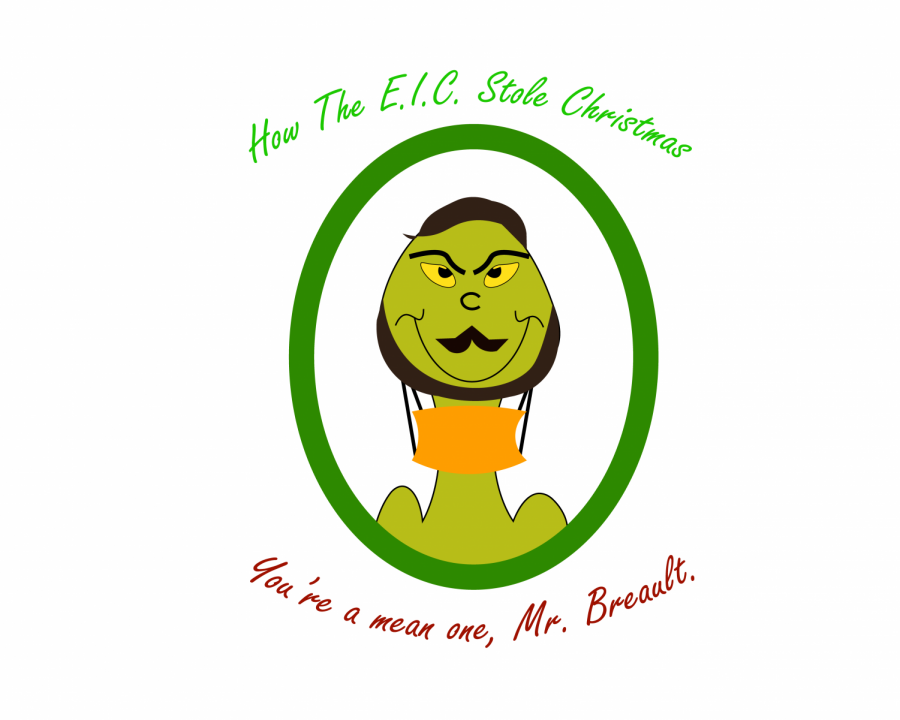
Breault said he told a few friends from The Tangerine student newspaper, where he served as editor-in-chief, and his fellow track teammates, but didn’t say much to anyone else.
Even after graduating in May 2022, he said the registry stayed on his mind. NMDP continued reaching out with reminders every few weeks, along with messages on important dates.
“It felt like NMDP would send emails and texts about every six to eight weeks,” Breault said. “Once it was about to leave your mind, you’d get the reminder that you are a part of something very important.”
On Nov. 18, 2025, that reminder turned into reality. Breault was at work when he received a phone call, email and text message from NMDP saying he was a match.

“I was super excited and wanted to help as soon as possible,” he said. “It also felt crazy to me, because the likelihood of being a match with a complete stranger is really low.”
Breault said he immediately agreed to move forward, even before understanding the full process.
Over the next several weeks, he completed physical exams, bloodwork and health screenings while speaking with NMDP specialists. He said the conversations helped him understand how important the donation could be.
“I probably annoyed them with all my questions, but it really opened my eyes,” he said.
Breault said he was not fearful of the procedure because NMDP staff clearly explained the process to him. His only concern was his history of lower back issues, but that faded once he learned he would be doing a Peripheral Blood Stem Cell donation, or PBSC.
PBSC donation is a non-surgical process that collects stem cells from the bloodstream. Before donating, donors receive injections of filgrastim, which stimulates the body to produce more stem cells. Breault said the injections were the hardest part.
“The filgrastim injections absolutely kicked my butt,” he said.
Still, he said it was worth it because the patient was going through far worse.
“My patient is obviously going through a very difficult time,” Breault said. “I felt the absolute least I could do was power through it.”
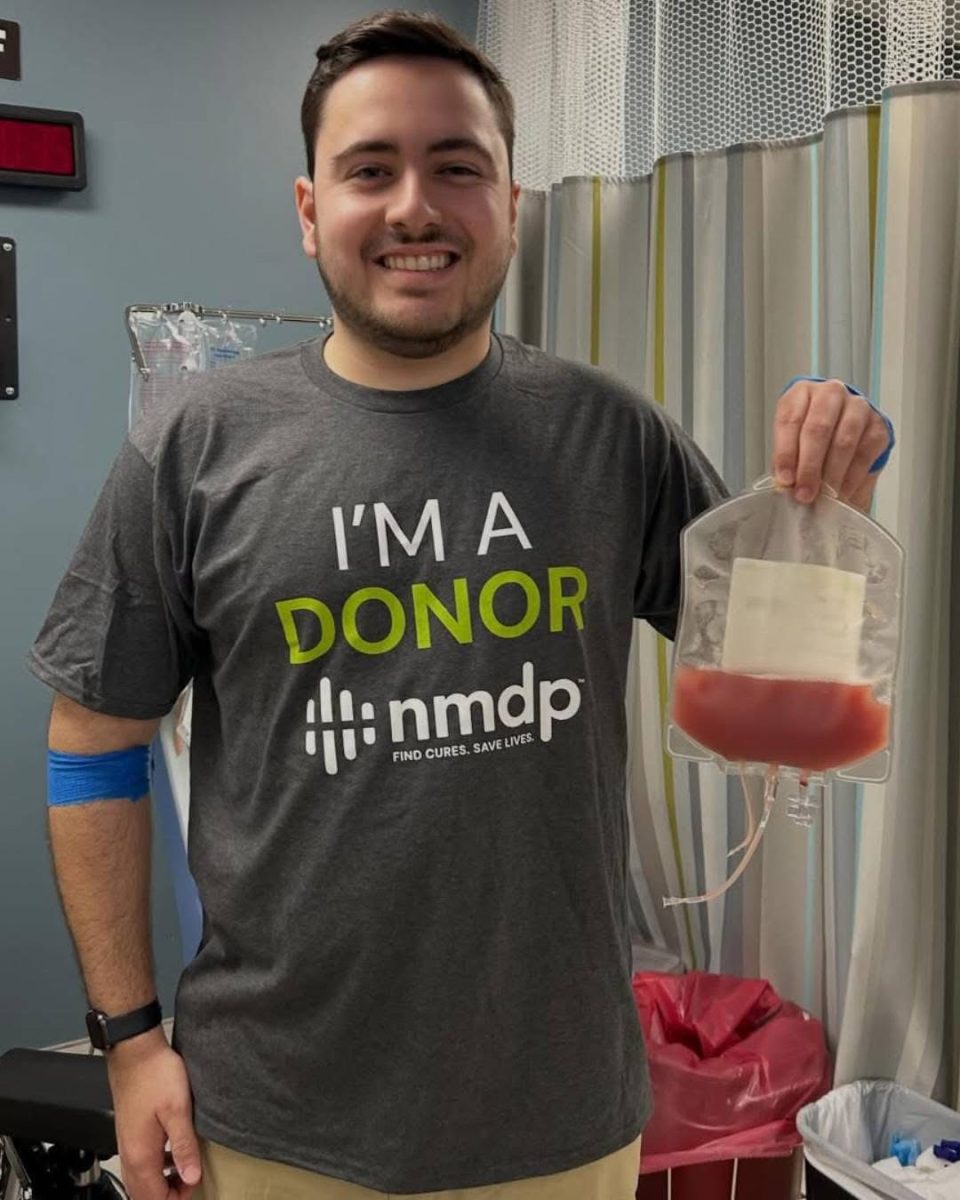
When the donation day arrived, Breault said the procedure itself was surprisingly easy. While PBSC donations often take six to eight hours, his lasted about two and a half.
“They told me I was one of the fastest donations they had ever seen at their facility,” he said.
NMDP covered all of his expenses, including travel, lodging and meals for him and a support person. He was flown to a collection center in a place he had never visited before.
Breault was also given limited information about the patient, including age, sex, country and cancer type, but he does not know their identity. NMDP allows anonymous communication for one year after donation, with the possibility of meeting later if both sides agree.
“I look forward to messaging with my patient, and I truly hope this all works out for them and that they can recover,” he said.
After donating, Breault said he received support from friends and strangers, especially after NMDP made a post about his story on social media. Some called him a hero, but he said he does not see it in that lens.
“I just honestly feel like I was doing my part in society,” he said.
Breault said the experience made him more aware of what others may be dealing with, and it reminded him how much impact one decision can have.
“One moment you’re a 20-year-old student just walking through Strebel,” he said, “and then four years later, you’ve donated blood stem cells to try and help save someone’s life.”
Now, Breault encourages others to join the registry if they are eligible.
To learn more about the NMDP or join the registry, visit the my.nmdp.org.