
















































































































When new court documents connected to Jeffrey Epstein were released recently, they reignited public outrage, revived conspiracy theories and raised the question, will anyone else be held accountable?
The records, drawn from long sealed filings tied to Epstein’s network and associates, offered additional glimpses into the social and professional circles that orbited the disgraced financier before his 2019 death inside a Manhattan federal jail. But while the disclosures have fueled long speculations, many legal experts caution that public shock does not automatically translate into a prosecutable crime.
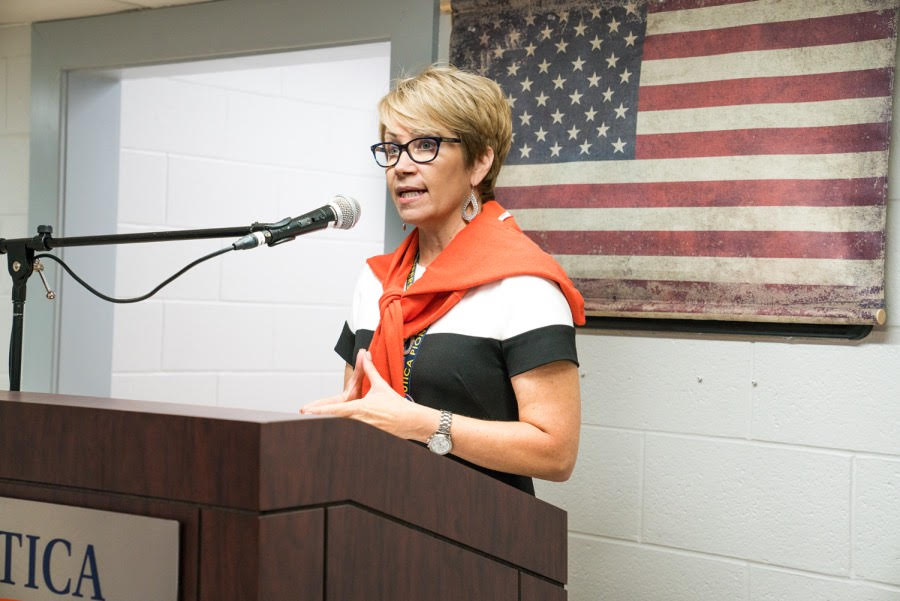
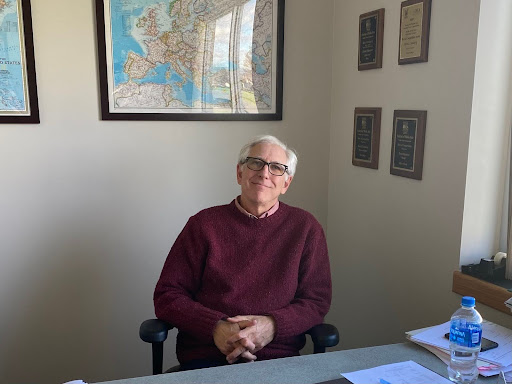
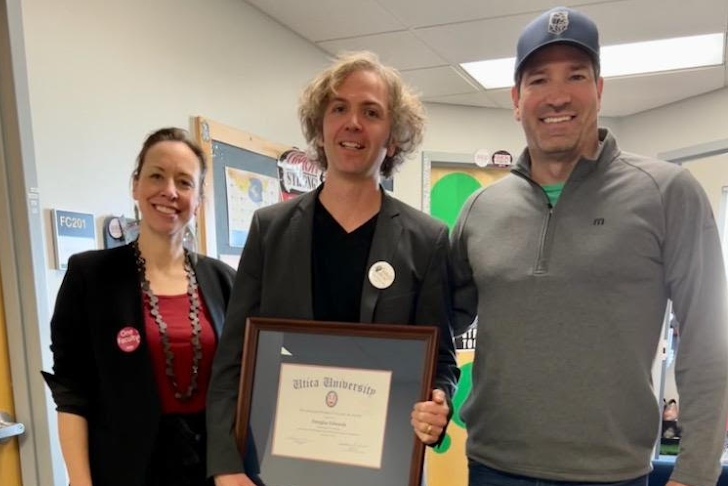
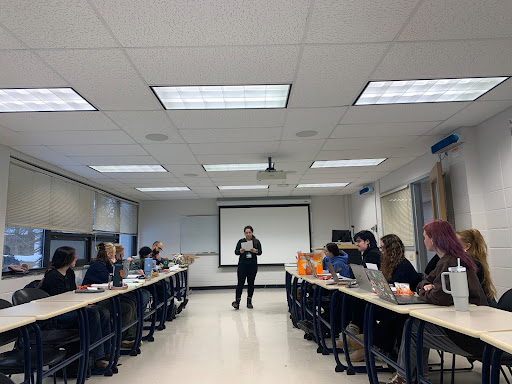
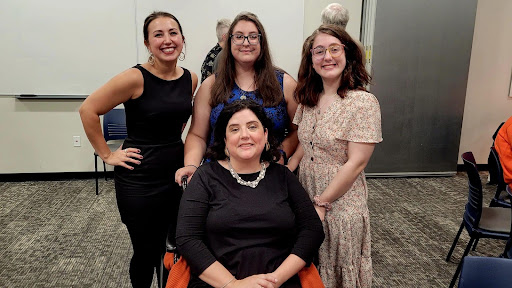
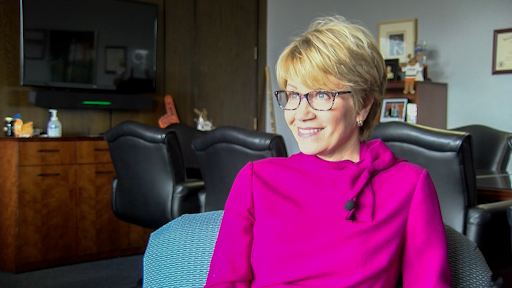
“This is a tricky question,” said Professor Daniel Tagliarina, when asked whether anyone will be prosecuted for their involvement. “While the information in the Epstein files appears damning for various people, the files themselves are not enough to establish evidence of crimes. They are, however, grounds for opening investigations, if and only if the people in relevant positions of power decide to open investigations.”
Epstein, who had previously secured a controversial non prosecution agreement in Florida in 2008, was arrested again in 2019 on federal sex trafficking charges. His death was ruled a suicide, but it intensified scrutiny over how he had managed to avoid long term consequences for years, according to Associated Press News articles. His long time associate, Ghislaine Maxwell, was later convicted in federal court for sex trafficking related offenses and is currently serving a 20 year sentence.
Yet the broader circle of high profile individuals whose names have surfaced in court filings such as, business leaders, politicians and academics professionals largely remain untouched by criminal charges. The reason, legal observers say, is rooted in the gap between mention and misconduct.
“Some of this has to do with the various alleged crimes that occurred and if the statute of limitations has passed,” Tagliarina explained when prosecutions are legally possible. “The files themselves would not be enough of a basis to prosecute anyone. Without an investigation and/or people willing to testify, prosecutions are unlikely, but probably not impossible.”
Statutes of limitations present a legitimate obstacle. Although federal law has expanded time for certain sex trafficking and child exploitation crimes, the timeline of alleged conduct matters. Many of the most serious accusations tied to Epstein involve the activity on his private island in the U.S. Virgin Islands, raising jurisdictional complexities for both federal and local authorities.
“With most of the allegations surrounding Epstein’s private island, local prosecutions anywhere are harder to establish,” Tagliarina said.
The release of the files in itself, has not escaped criticism.
“I will say that the inconsistencies in who or what was censored and not, including the large number of victims whose identities were not properly protected in these documents speak to the sloppy nature of the release and to some of the reasons they might not have been released previously,” he said. “Balancing the public’s right to know with the privacy of people who have been victimized is difficult, and as seen here, the government got it wrong in a lot of cases.”
Victim advocacy groups have echoed similar concerns, warning that partial transparency can sometimes retraumatize survivors without delivering meaningful accountability. The tension between transparency and privacy has become one of the defining ethical dilemmas of the Epstein document saga.
Political fallout has also entered the conversation. During recent congressional hearings examining the Justice Department’s past handling of Epstein’s case, some lawmakers questioned whether earlier prosecutorial decisions allowed him to evade justice for years.
The Epstein files, then, occupy an uneasy space in American public life. They are explosive enough to capture headlines, but incomplete enough to frustrate the American public and prosecutors. They implicate proximity, but not necessarily proof. They promise transparency, yet reveal bureaucratic missteps in protecting victims.
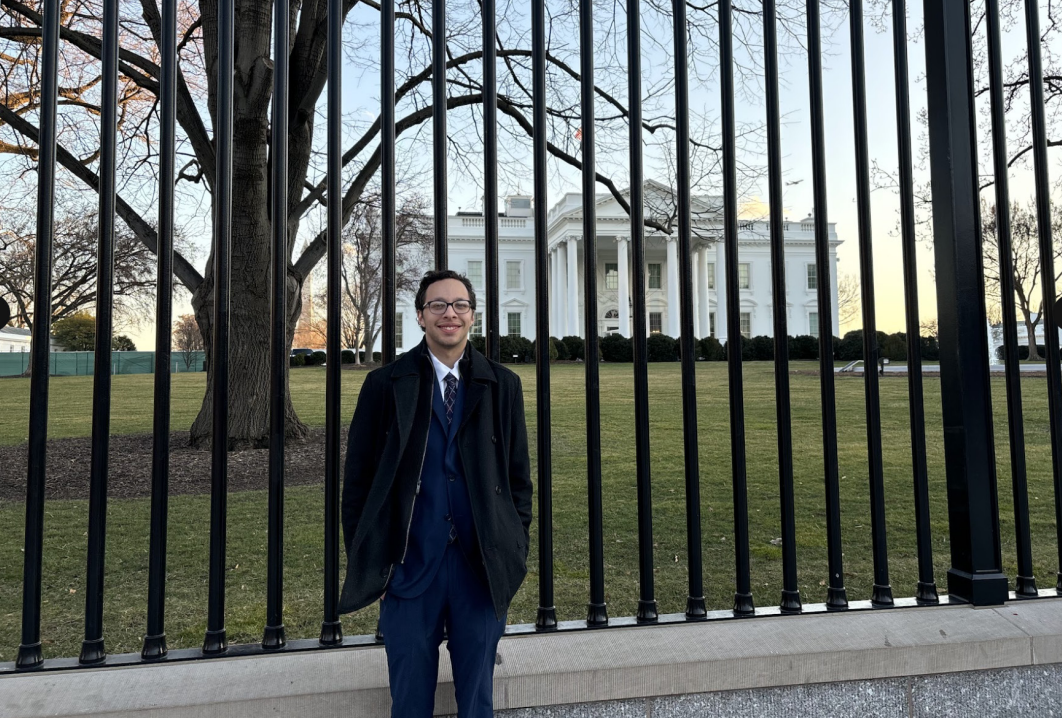
Reid Kennedy, a History major at Utica University, said he was surprised it took so long for the files to be released.
“From what I’ve heard, people have been suspecting this kind of situation for years, but I definitely didn’t expect it to be as bad as this,” Kennedy said. “I think how long it took for this to come out likely reflects how many powerful individuals didn’t want it to.”
For many Americans, the lingering sense is one of unfinished business. Epstein’s death closed off one path to accountability, and Maxwell’s conviction addressed only part of a sprawling network. Whether further investigations come into existence may depend less on what is in the documents than on the political will to pursue what they suggest.
Tagliarina added: “Without an investigation and/or people willing to testify, prosecutions are unlikely, but probably not impossible.”