































































































February is Black History Month and this year commemorates 100 years since the first national observance of Black history.
In 1926, Carter Woodson, founder of the Association of the Association for the Study of Negro Life and History, established the first Negro History Week, aligning it with the birthdays of Abraham Lincoln and Frederick Douglass, to highlight African American contributions to society, according to the National Museum of African American History and Culture.
President Gerald Ford expanded Negro History Week to Black History Month in 1976, officially recognizing the significance of African American history and culture.
Some members of the Utica University community reflected on what the month means to them and how it should be treated as a time of celebration and awareness.
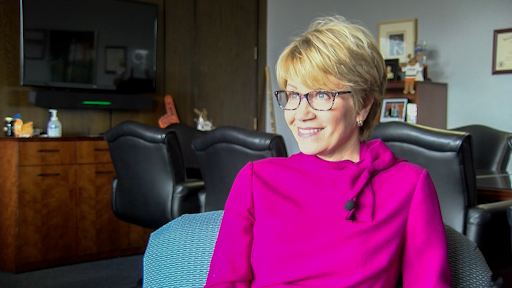
Kira Maddox, director of Community, Belonging and Engagement and Title VI at Utica University, said Black History Month is a time to recognize and celebrate the accomplishments of Black and African American individuals in the United States.
“It is a time to combat stereotypes and false stereotypes about people’s achievements and influence,” Maddox said. “Here, I think it’s a time to expand our understanding of other cultures and celebrate our differences.”
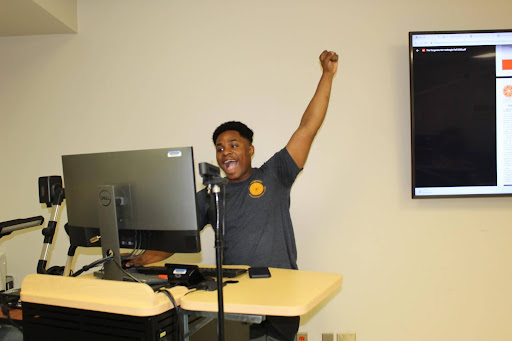
For Jett Smith, a freshman Physical Education major, the month is an opportunity for the community to be in the spotlight. Smith said he feels throughout the year the community can be in the shadows, but Black History Month allows them to shine.
“It’s like a mission, everybody is like pull them through the door, bring them through the window and I feel we deserve that,” Smith said. “Yes it’s only once a year but I feel Iike I (prefer) intense recognition than nothing at all.”
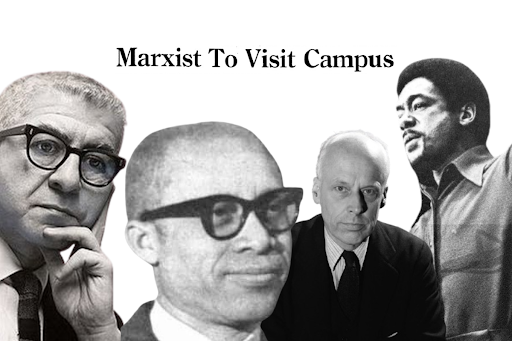
As president of the Black Student Union, Xavier Moore said Black History Month provides a month of reflection and embracing a little bit of discourse and controversy.
“(It’s) to really celebrate what it means to be Black,” Moore said. “As a student, I’m disappointed that the university does not acknowledge Black History Month. It feels like we are being ignored, like a conscious decision, so it’s disappointing to see that, regardless of anything happening in the national state right now.”
Maddox said her office is developing the annual Diverse Voices alumni panel with the Office of Advancement, though it might not take place this month. Attendees will hear a range of perspectives on navigating the transition into the workforce.
The Black Student Union spearheaded most of this year’s events, according to Maddox, which have already happened.
The Office of Community, Belonging & Engagement is hosting a Reframing the Narrative Presentation titled “Teaching the Past in a Divided Present: A Dialogue on Conflict in Education,” with Dr. Casey Jakubowski on Feb. 24 at 4:30 p.m. in Willard Conference Room. It’s not being marketed as a Black History Month program specifically, but the conversation “very much centers on how to discuss inequality and identity in the classroom, which I believe are extremely topical and relevant,” Maddox said.