








































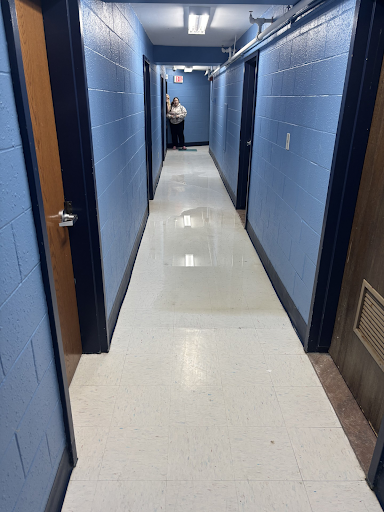
On the morning of Feb. 7, due to temperatures dropping down more than negative 20 degrees, a small valve within the main structure holding the water and fire suppression lines cracked. The small crack ended up spewing water leading to bigger issues near the academic buildings.
The water sprayed onto a nearby electrical panel, causing several breakers to trip and the power off of all heat and data connections within the building, according to Shad Crowe, Vice President for Facilities and Emergency Management. The pressure then caused a domino effect on campus, which then impacted Bull Hall and water pressure in sinks, water faucets, etc. across the campus.
After repairs on the initial issue, on Tuesday morning there were reports of leaking water across the roadway outside of Strebel. According to Crowe, the contractors opened the ground up to discover both fire and domestic lines were ruptured. This caused the campus to shut down and move in-person classes to remote learning on Thursday, Feb. 12 and Friday, Feb. 13.
The maintenance crew fixed the issue on Thursday. However, it was important for the university to take extra precautions with cancellations, otherwise evacuation may have had to take place if repairs lasted longer than 2 p.m. on Thursday. Although not ideal, the best decision for the university and students was to limit the number of people on campus during the time of repairs, according to an email from President Stephanie Nesbitt.
For some residential students, the water main break was an unwanted disruption and inconvenience.
“[I’m] coming from a different school where everything was handled with efficiency. I feel like it took them way too long [to fix the issue],” sophomore Tyla Stewart said. “I was doing my hair, it took me 8 hours to do in the morning. I wanted to use the bathroom, and I flushed, and it was not working. I thought I did something wrong.”
“This is an upstate university,” Stewart said. “This is not the first time it’s been below negative two, and they knew way ahead of time because all of the professors were talking about it like there was no way that there was not a prediction on what might happen.”
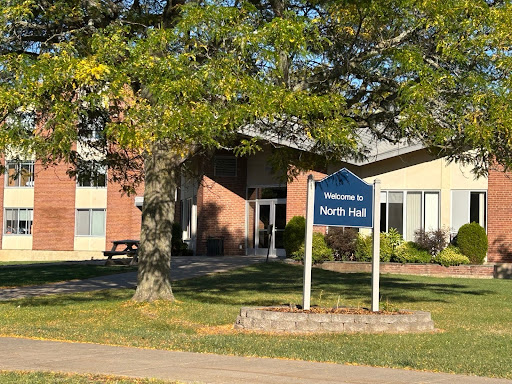
Junior and North Hall resident Xavier Moore said plumbing issues are common in older buildings, “but seeing that the university infrastructure become completely cripple by a water main break, regardless of if it’s cold or not, was a little worrying.”
“We should have our stuff checked and maintained. I feel like the water main break is among other issues, like the water filtration not being managed by the university,” Moore said. “Although we can be upset about the water main break issue, we must not forget everything else that goes into that.”
No additional damage has been reported to any buildings, according to Crowe.
“We consistently upgrade all aging systems and specific concerns are identified,” Crowe said. “Many of these upgrades are on the Capital Projects Improvement list. This list is prioritized for immediate needs and long term plans that tie into other infrastructure systems.”