























































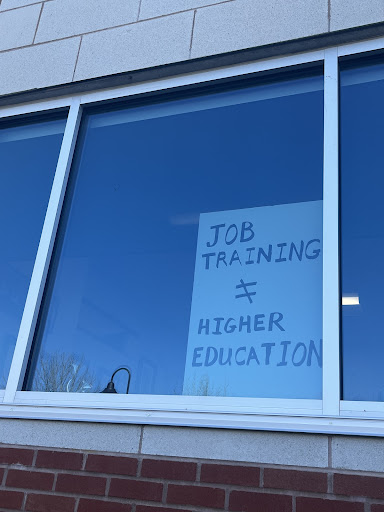


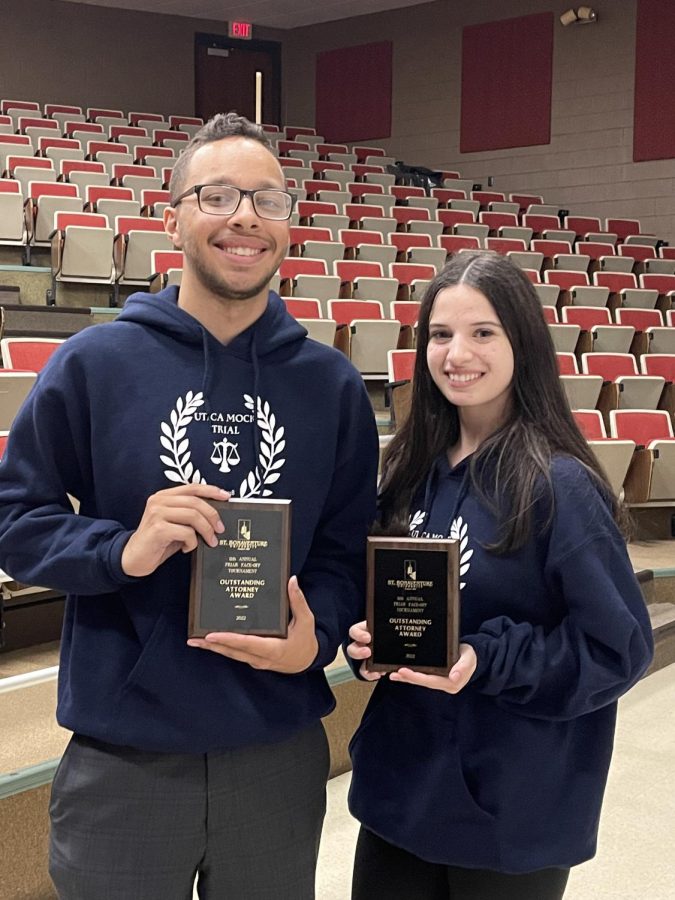


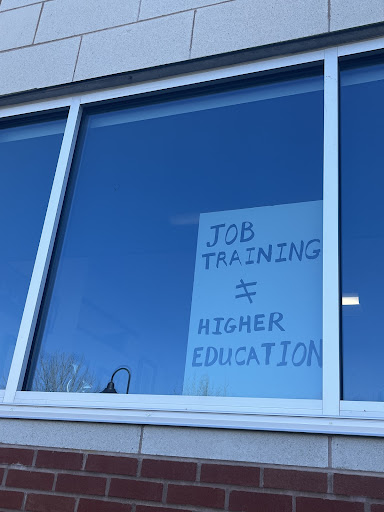


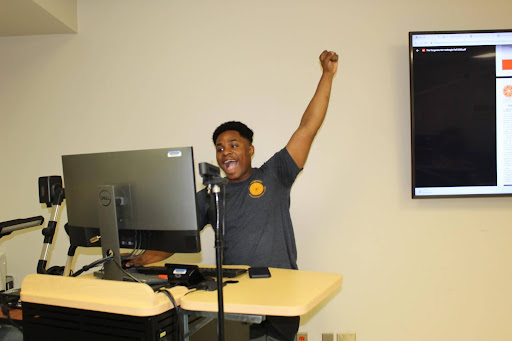



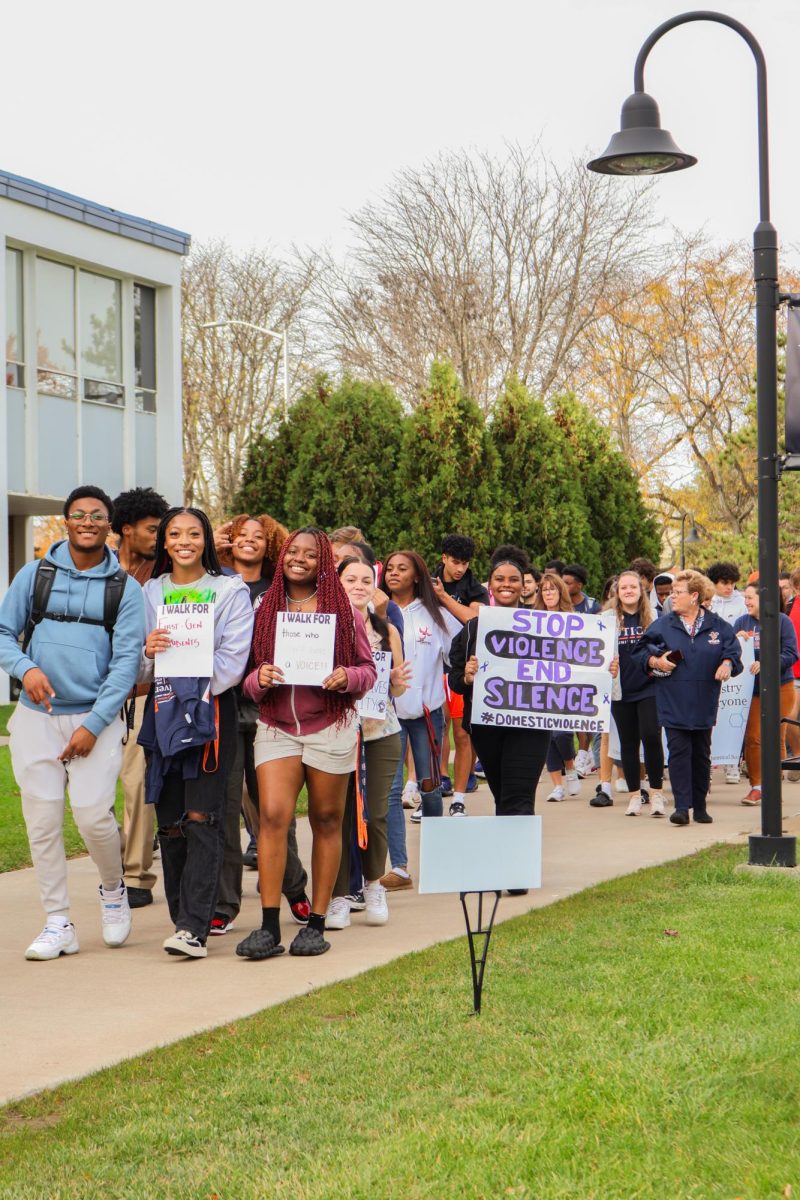








Last week Africa In Motion began circulating a petition calling on the university to stop future program cuts in some Humanities programs. President of the club, De’Janique Bell, explained that the petition “Stop The Cuts” is to bring awareness to the student body.
“I refuse to sit back and allow the administration to decide things in silence; especially since they are the ones not being affected,” Bell said.
AIM’s goal is to build initiatives for equality, inclusivity and power. The club is advocating to keep Africana Studies, Anthropology and History programs at Utica University. Bell emphasized that these program cuts do not just impact those in these specific programs, but instead impact the student body as a whole.
“Even if the program cuts don’t directly impact you, the administration is taking away our right as students to choose from what major, minors, and classes we want to take,” Bell said. “Students that have committed to the university and its values, but I have yet to see this institution stand on it.”
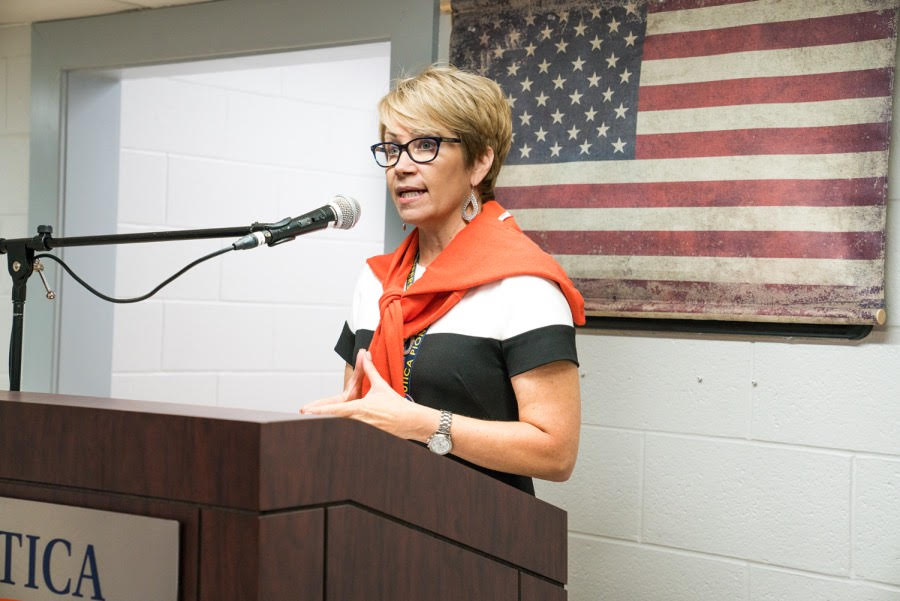
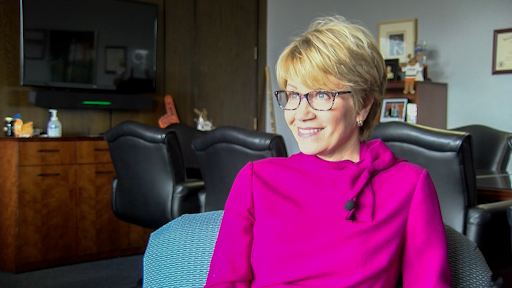
Provost and Senior Vice President for Academic Affairs and Incoming President Stephanie Nesbitt reiterated that the academic portfolio planning is a common practice among higher education institutions. Nesbitt also said if a major is eventually deleted students currently enrolled in said programs will not be impacted.
Nesbitt addressed the club’s concern: “As I shared in August, the academic portfolio review is an academic year-long process. We are only just approaching the midpoint of that process. I am very appreciative of the many constructive conversations that have taken place since I announced my recommendations, and I know that many more will occur in the months ahead.”
To reiterate the importance of these programs Bell recalled being enrolled in Dr. Clemmie Harris’s course “Black Transnationalism” last spring semester. She said before the course she felt very out of place, but as the semester progressed she started to enjoy learning about her history and becoming more involved.
“Keep these programs because my people and our history will not be erased,” Bell said. “I’m going to fight to keep these programs because the school is already lacking in representation and out of the five semesters I’ve been here, I’ve only had one Black professor, just one. And Dr. Harris once told me, ‘My voice is my power!’”
Nesbitt welcomes all feedback from students and said that everything will be reviewed before any cuts are made official.
“I have every respect for petitions as a method of engagement, and I appreciate hearing from students on this process,” Nesbitt said. “Every piece of feedback received from members of the University community – be it in a petition, school and department recommendations, formal meetings, or otherwise – will be carefully reviewed and considered.”
De’Janique Bell Response
The “Stop The Cuts” petition is to bring awareness to the student body because the administration continuously fails to acknowledge and listen to our voices. A professor once told me, “My voice is my power,” and it is! I refuse to sit back and allow the administration to decide things in silence; especially since they are the ones not being affected.
AIM is truly one of a kind. Built on initiatives that strive for equality, inclusivity, and power. AIM isn’t just a dance club, but we’re a family, a group of young, educated minorities. I teach my members that advocacy in any capacity is power! Standing up for what you believe never comes with consequences, and if you think so then maybe some evaluations need to be done.
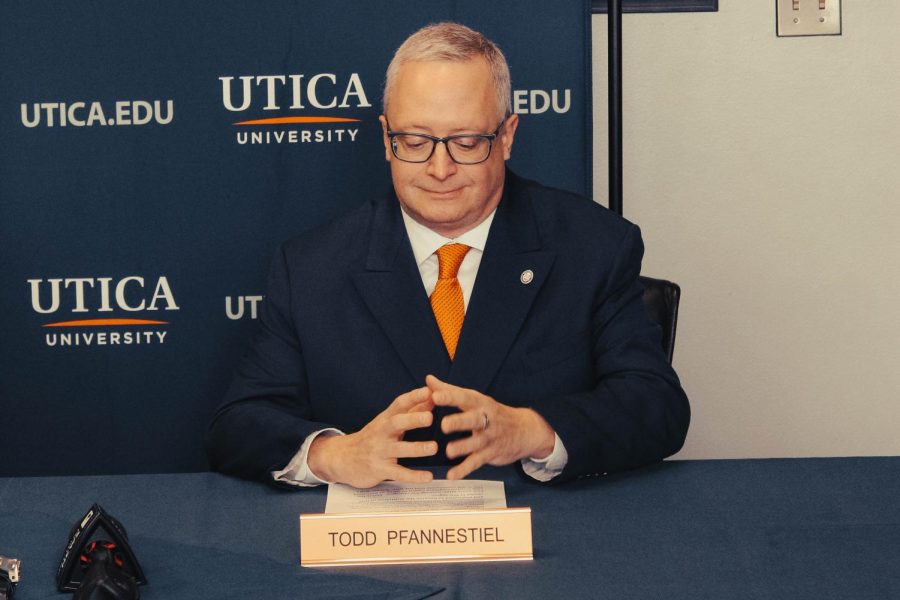
Along with the petition, we have asked AIM members and other students that are willing to do so, to write up personal statements that will be sent to the President Todd Pfannestiel, Provost Stephanie Nesbitt, and the Board of Trustees. We have support from within the institution, and we are aware of the process and how long it takes to appeal to the Committee, Academic Affairs, and the Provost’s decision.
The set number of students impacted is undeniably large, but I don’t have an accurate number. However, I have shared the list of programs with my peers, and they were enraged, rightfully so. Students are afraid of what their future education could look like because they don’t know if they’ll have the opportunity to finish their degree. This is another example of the institution failing to include and inform students of what’s to come after, if these programs are cut.
The program cuts don’t just impact AIM; that’s not how we’re going to view this. It impacts the entire student body. Students that pay $13,000 and more in tuition. Students that have committed to the university and its values, but I have yet to see this institution stand on it. Even if the program cuts don’t directly impact you, the administration is taking away our right as students to choose from what major, minors, and classes we want to take.
Last spring semester, I enrolled in Dr. Harris’ Black Transnationalism class. I had no idea what that meant or what it was. And at the start of the semester, he asked our class, “Why are you taking this course, what brought you here?” There were 10 students enrolled in the course, most of them were White. I remember being so scared to answer Dr. Harris’ question, because everyone else had such thoughtful answers, but I went on to say, “Because I have to, and I don’t know my history.” I felt so out of place because I allowed my ignorance and pathetic school system to stimulate the growth of it. I walked into his class, ignorant, blind, and uneducated. As the course progressed, I grew to be intrigued, and I wanted to know more. I remember talking with Dr. Harris about my doubts and fears of succeeding in his course, and he reminded me that I am exactly where I’m supposed to be. Keeping these because I deserve the right to choose. Keep these programs because my people and our history will not be erased. I’m going to fight to keep these programs because the school is already lacking in representation and out of the five semesters I’ve been here, I’ve only had one Black professor, just one. and Dr. Harris once told me, “My voice is my power!”
Nesbitt’s Response
First, I want to provide some further explanation on the Academic Portfolio Review as well as some points of clarification – all of which you may use in your article, if you choose.
- We are sharpening our focus to do what Utica University does and has always done best, deliver career-centered, industry-relevant academic programs that align with what students want and employers need. A core component of this plan is an academic portfolio focused primarily on professional, pre-professional, and STEM offerings, including both existing and new programs.
- Academic portfolio planning is a common process colleges and universities undertake to help inform what academic programs fit with and support the long-term plan of the institution. The process is specifically designed to strengthen alignment between the University’s mission, student interest, and regional and national employer needs. These decisions, while difficult, will allow the University to focus our efforts and resources on those programs where we have long been successful and the overwhelming majority of students are enrolling.
- Any decisions to eventually delete a major will have no impact upon any students currently enrolled in that major. What’s more, the deletion of a major does not mean we will no longer be teaching any courses in that subject area(s) in the future. It simply means we will not be offering the subject area as a major. Finally, and to be clear, we are not eliminating any required courses for graduation.
Now, here is my response, in aggregate, to your questions.
“As I shared in August, the academic portfolio review is an academic year-long process. We are only just approaching the midpoint of that process. I am very appreciative of the many constructive conversations that have taken place since I announced my recommendations, and I know that many more will occur in the months ahead.
“I have every respect for petitions as a method of engagement, and I appreciate hearing from students on this process. Every piece of feedback received from members of the University community – be it in a petition, school and department recommendations, formal meetings, or otherwise – will be carefully reviewed and considered.”
– Stephanie Nesbitt, Provost and Senior Vice President for Academic Affairs and Incoming President



Mark • Nov 22, 2025 at 12:34 pm
Its great to see Utica University students lean in on this review process. The colleges and universities that recognize and retain programming in the liberal arts (majors/minors like history, anthropology, area studies, etc.) will produce the graduates who will thrive in the era of AI where it will be important to develop global leaders who can feel, write meaningful inquiry, communicate clearly, interpret insights, understand emotions, leverage moral understanding, create new knowledge, learn with agility, etc. Career oriented programs are important. Smart schools, however, fund and encourage students to double major in both liberal arts and career oriented majors. The challenge with career oriented majors in their own right is that they are subject to rapid technological advances and obsolescence if they focus on mastering a body of domain knowledge (“what”) without concurrently teaching a student “how” to think. Keep the focus.