



























































































For a ceremony built on prestige and tradition, the Oscars are struggling to hold the attention of the very generation shaping the future of entertainment. On campus, interest exists, but commitment doesn’t.
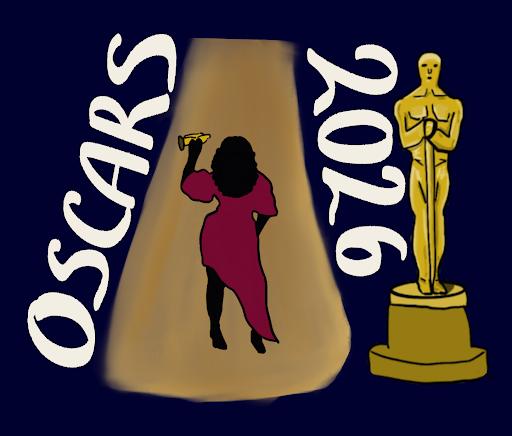
For decades, the Academy Awards were a communal event. Families gathered around the TV, watched the red carpet, debated the nominees, and stayed up late to see who took home the biggest awards. But that ritual has shifted. Today, the Oscars live in a fragmented media landscape where clips circulate faster than acceptance speeches, and younger viewers often experience the show through social media rather than a live broadcast. That trend reflects a national shift. According to a recent LA Magazine article, the 2026 Oscars, held on March 15, drew 17.9 million viewers, a 9 percent drop from the previous year, even as online engagement surged.
That shift has created a tension the Academy can’t ignore. The ceremony still matters culturally, but the way people consume it has changed. As LA Magazine notes, the Oscars are no longer just a TV event but a “multi‑platform content engine,” with viral clips often reaching far more people than the live broadcast itself.
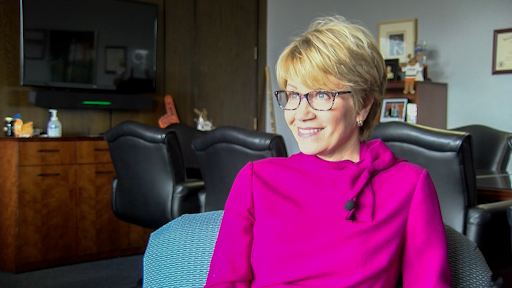
Jessie Campbell, adjunct instructor of Sports Management, said there are a few things to consider regarding the Academy Awards and appealing to a younger audience.
“Viewership has been in decline for over a decade, and the onset of a global pandemic didn’t do it any favors,” Campbell said. “People simply didn’t prioritize such programming. Since I know that viewership has rebounded over the last few years, notably among young adults, who show signs of renewed interest among key demographics. By offering broadcasts on streaming services and providing extensive coverage across social media platforms, they’ve also responded positively to shifts in consumer behavior.”
Even with that rebound, the question remains: Are younger viewers actually watching the
Oscars, or are they just watching the aftermath?
“It’s interesting seeing who wins, but I won’t watch it,” said Andrew Della Rovere, a junior Business Management major. “I’ll just catch the highlights later. I don’t really have the patience for a three-hour ceremony.”
That sentiment is common among students who feel connected to the movies themselves but not to the structure of the broadcast. The Oscars may still represent the pinnacle of Hollywood achievement, but the ceremony’s length, pacing and traditional format don’t align with how many young adults consume media.
“It doesn’t affect me because I’m not the one who voted, so it doesn’t have too much to do with me,” said Ben Reifsteck, a junior in Business Management. “I’ll hear who won eventually, but I don’t feel invested in it.”
Reifsteck’s point reflects a broader disconnect: if students don’t feel represented in the voting process or the industry, the ceremony becomes something happening at a distance. Without that sense of ownership or participation, the Oscars become less of a must-watch event and more of a next-day recap.
Some students who typically enjoy award shows say even they didn’t feel compelled to tune in this year.
“I didn’t watch it,” said Carrah Sadler, a senior Philosophy major. “I’ll usually watch these types of things. I find them fun, and I can keep up with current events. But this time, I figured I’d catch all the important parts on social media later.”
Now a growing trend, the Oscars are no longer a single, unified broadcast but instead a collection of moments that live online. Acceptance speeches, fashion highlights and unexpected viral clips often reach audiences who never saw the ceremony itself.
“Still, I’d say, a notable concern is shifting behaviors among younger demographics, notably Generation Alpha, where social media is increasingly their primary form of entertainment,” Campbell said. “While they are not yet presently a key market segment for the Oscars ceremony, the Academy must anticipate these behavioral shifts in this demographic as it matures. This may indicate that, while I’m certain the Academy Awards will remain relevant, including to a young audience, they may risk being perceived as less socially significant if not adequately met.”
For the Academy, that presents both a challenge and an opportunity. Social media extends the Oscars’ reach, but it also undermines the need to watch live. Younger viewers can stay informed without committing to the full broadcast, and many prefer it that way.