












































































Utica University’s Computer Science students are gaining experience beyond the classroom through research, conferences and hands-on projects.
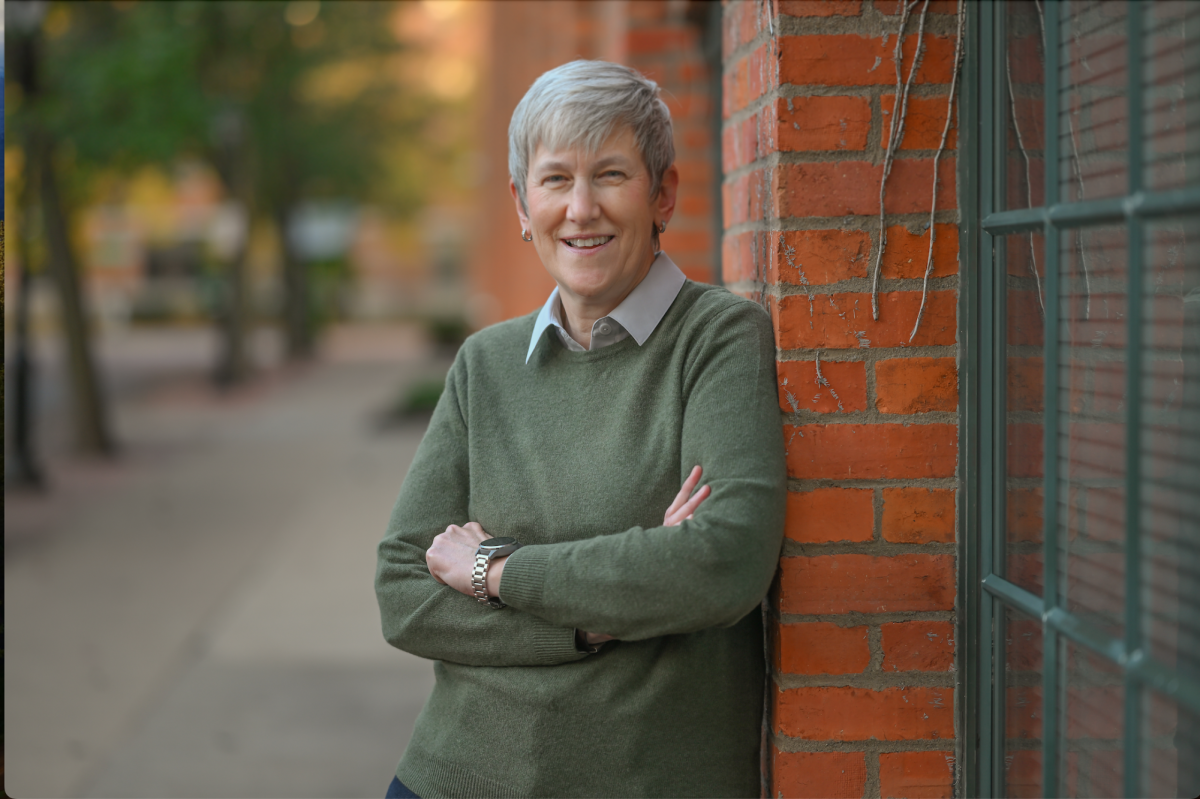
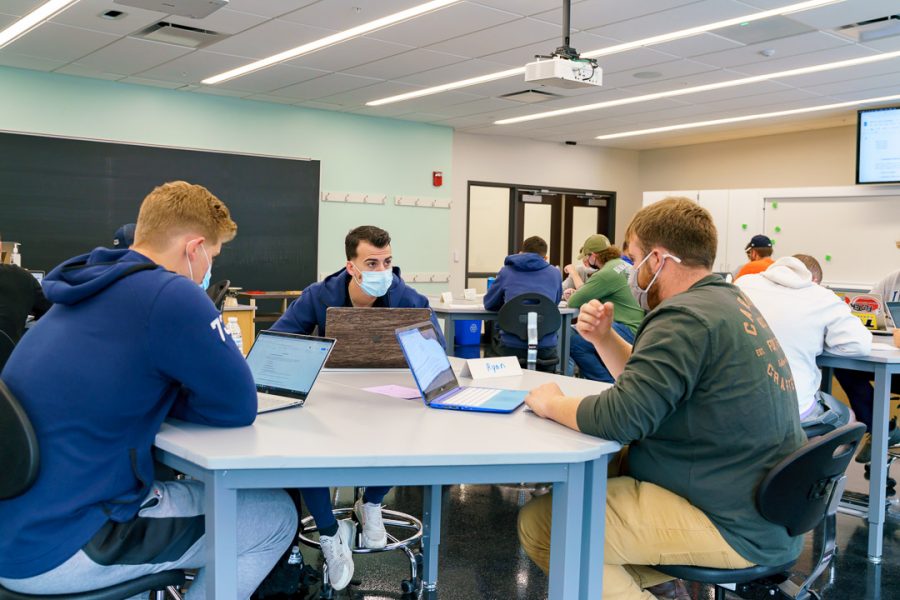
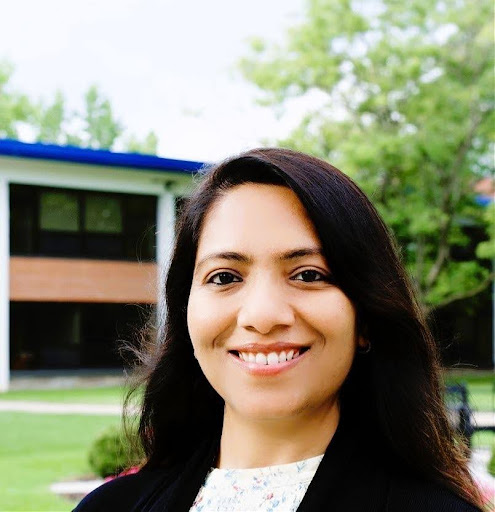
Much of that effort is led by Unnati Shah, associate professor of Computer Science, who has prioritized mentorship and experiential learning since joining the university in Fall 2022.
“In my first class, I ask students, ‘What do you want to become?’” Shah said. “Most say software developer or AI engineer. Rarely do they say, ‘I want to be a researcher’ or ‘I want to start my own company.’ Students often limit themselves to what they see around them. Early research helps build confidence and opens new opportunities.”
After arriving from India, Shah noticed many students were balancing academics with financial responsibilities and often focused on completing coursework. Some were hesitant to participate in conferences or competitions, unsure if the experience would be worthwhile.
“Mentorship starts with genuinely caring about my students’ goals, strengths, and challenges beyond the classroom,” Shah said. “I often ask what they want to do after graduation so I can guide them in meaningful ways. That might mean meeting one-on-one to build confidence, improve communication, or support them through project challenges.”
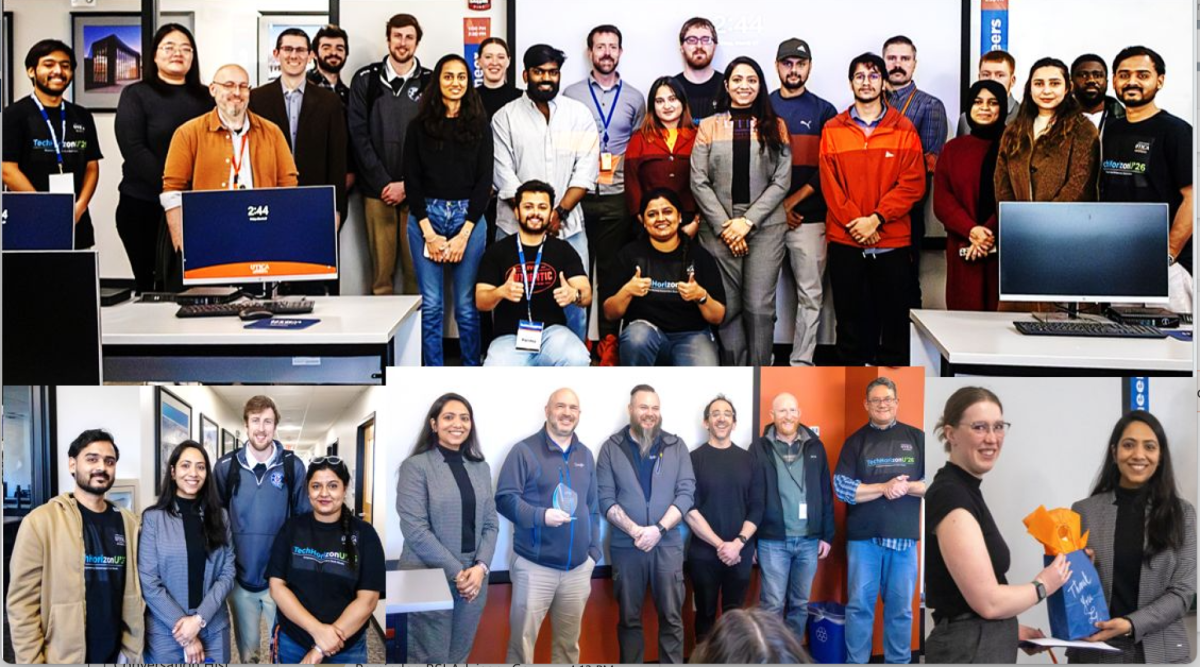
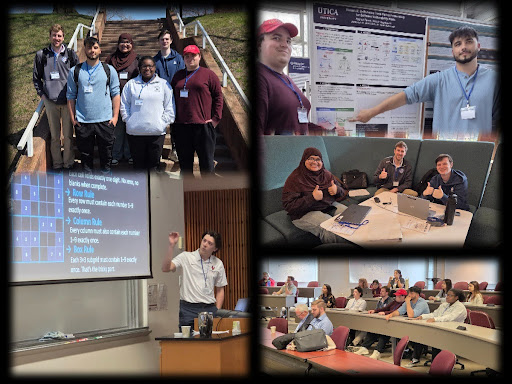
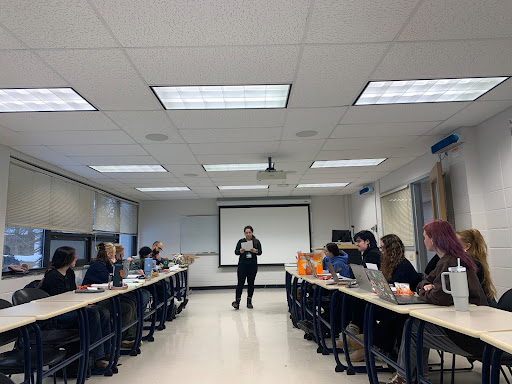
To encourage involvement, Shah organizes poster sessions, project-based competitions, and conference opportunities where students can apply their skills in real-world settings.
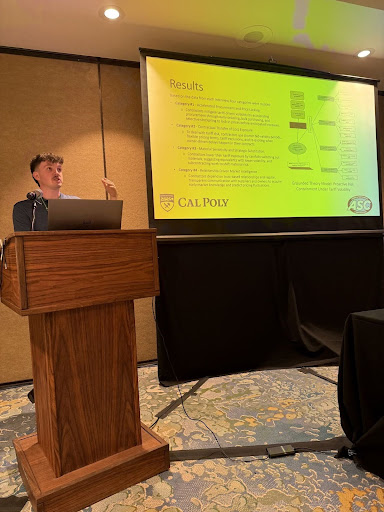
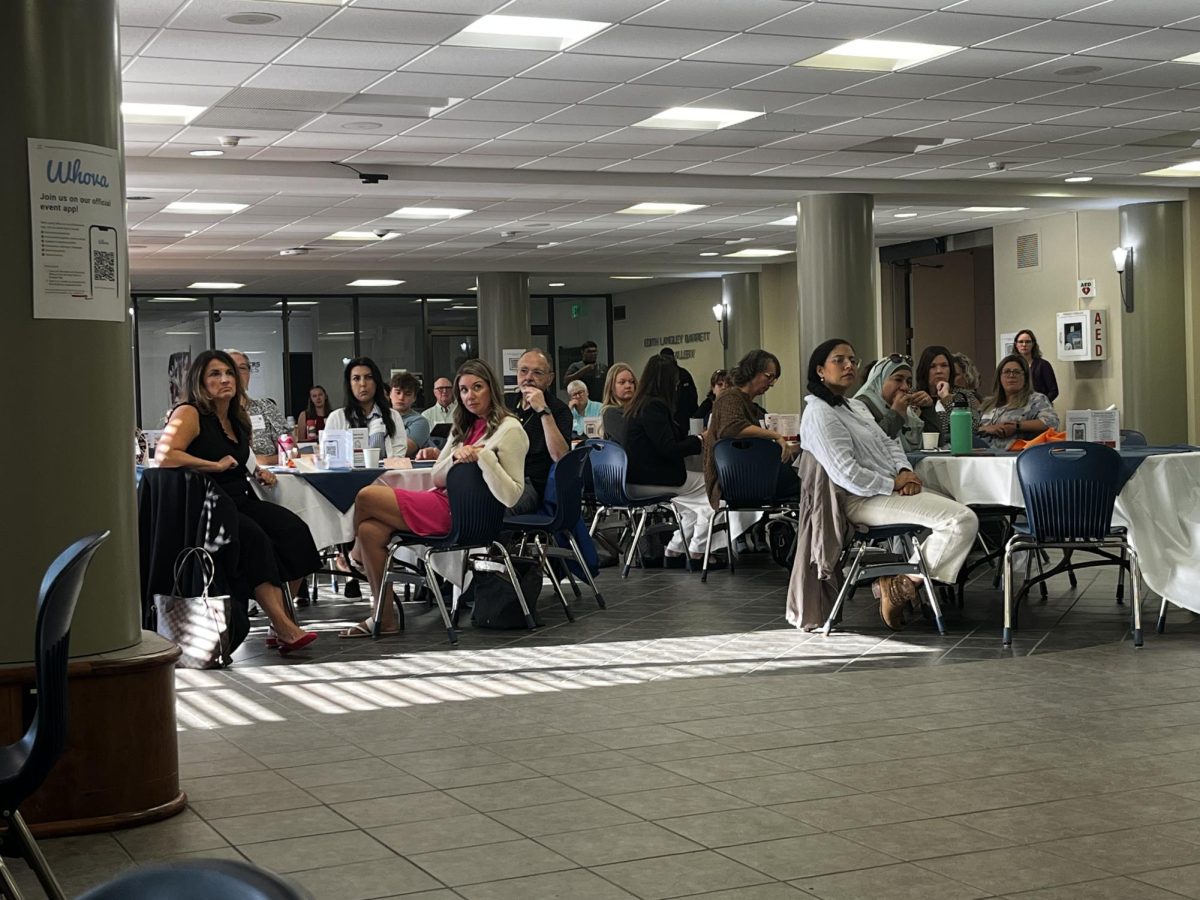
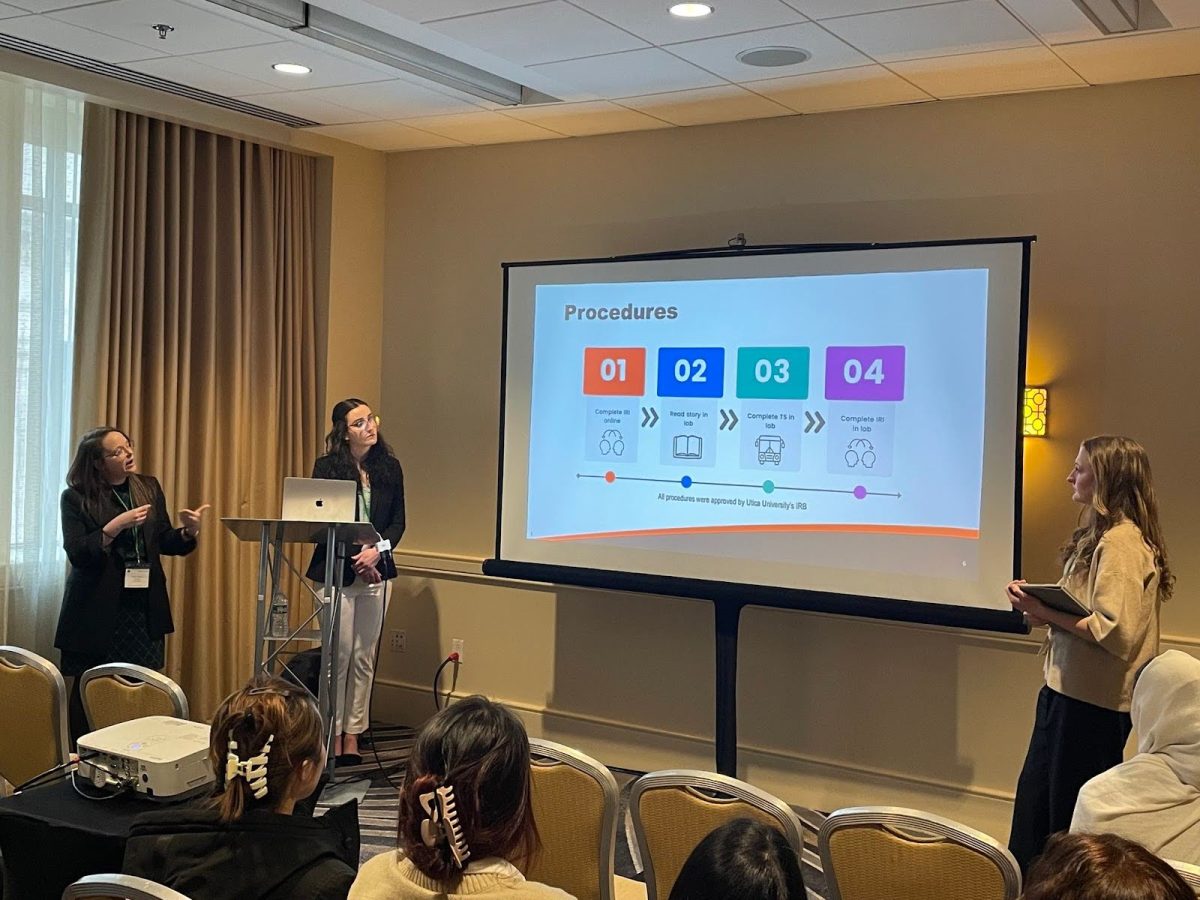
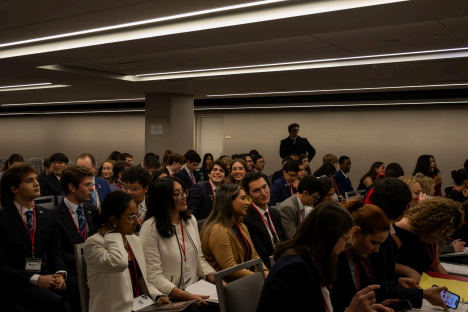
In 2025, four student poster teams mentored by Shah represented Utica University at the Northeast regional conference of the Consortium for Computing Sciences in Colleges, held at SUNY Brockport. Competing against students from 18 universities and more than 50 poster presentations, Utica’s presence stood out, marking the first time the university sent that many entries.
“At CCSCNE 2025, the conference chair congratulated us on our students’ research and presentations,” Shah said. “That recognition meant a lot, but my proudest moment was watching my students present their work with confidence and take ownership of their ideas.”
One example of student success is Belier Javier, who presented research on cloud security and now works as a Cloud Software Engineer at KPMG. He continues mentoring students, reflecting the long-term impact of these opportunities.
Looking ahead, Shah’s students will continue presenting research and competing in programming contests. Two papers have already been accepted for CCSCNE 2026, and students across Computer Science and other disciplines are preparing for upcoming conferences and workshops.
“I hope students leave with more than technical knowledge,” Shah said. “I want them to be confident in their abilities, curious to keep learning, and willing to take on new challenges. Most of all, I want them to see learning as a way to explore, create, and make an impact.”