

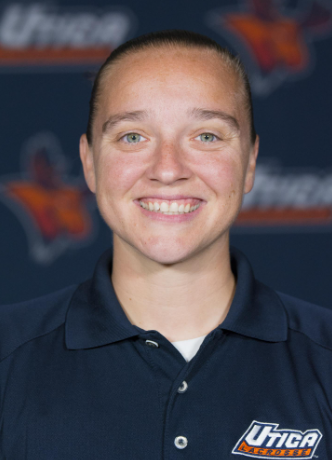
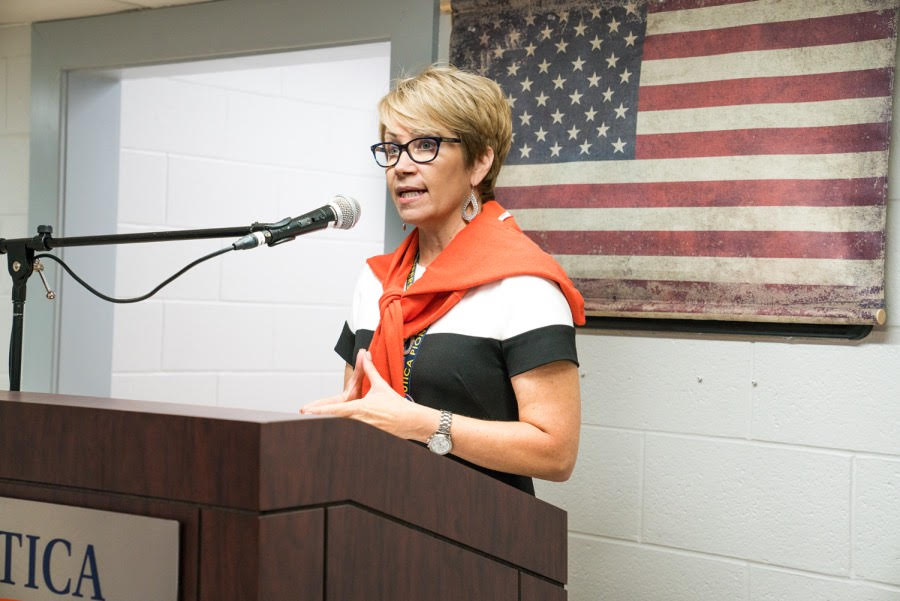


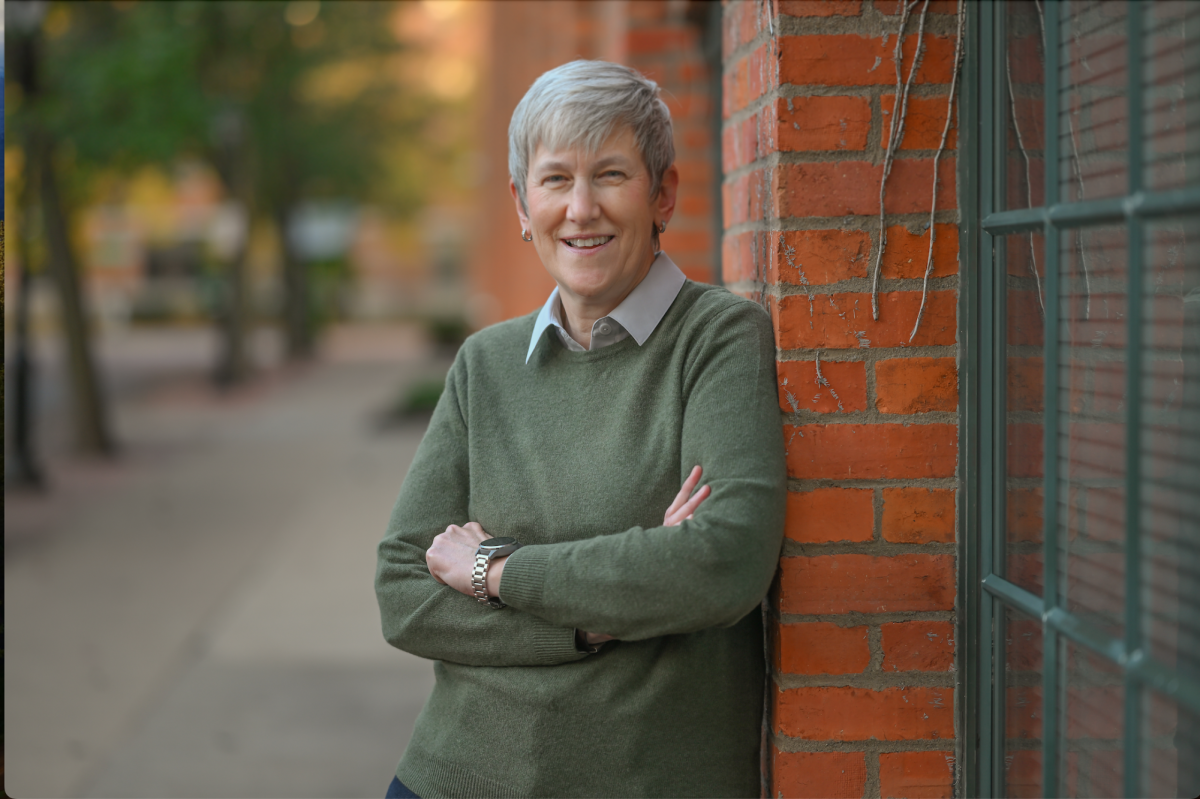
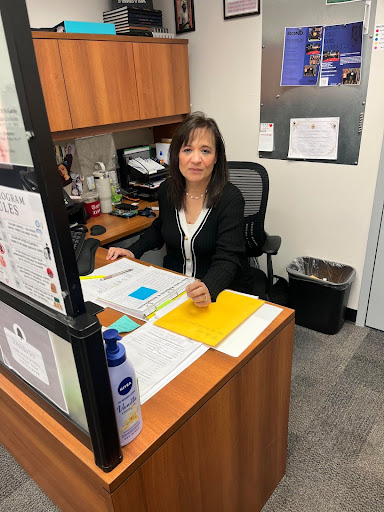
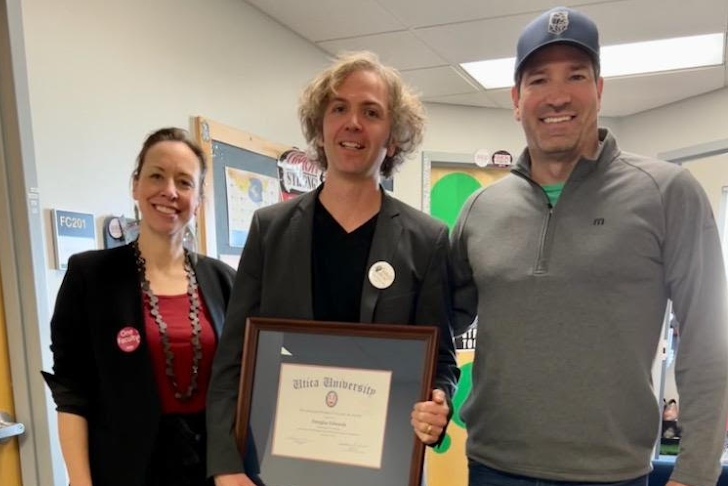
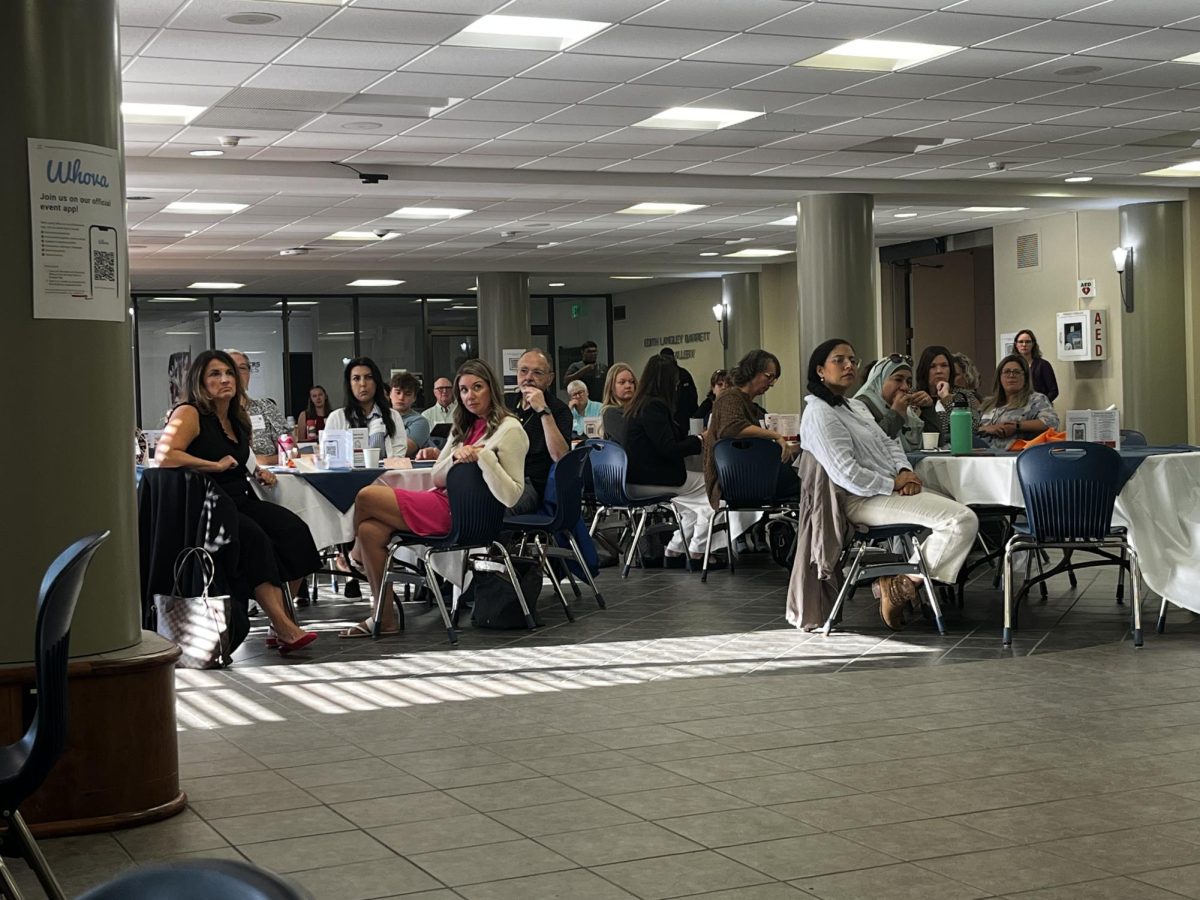
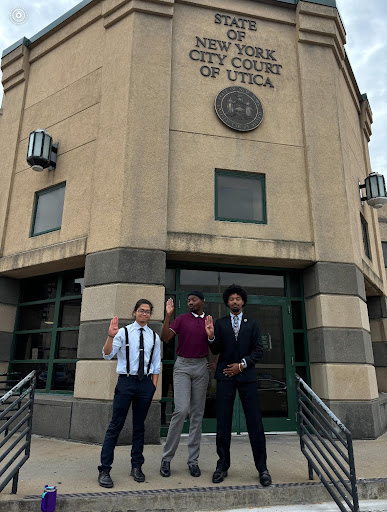

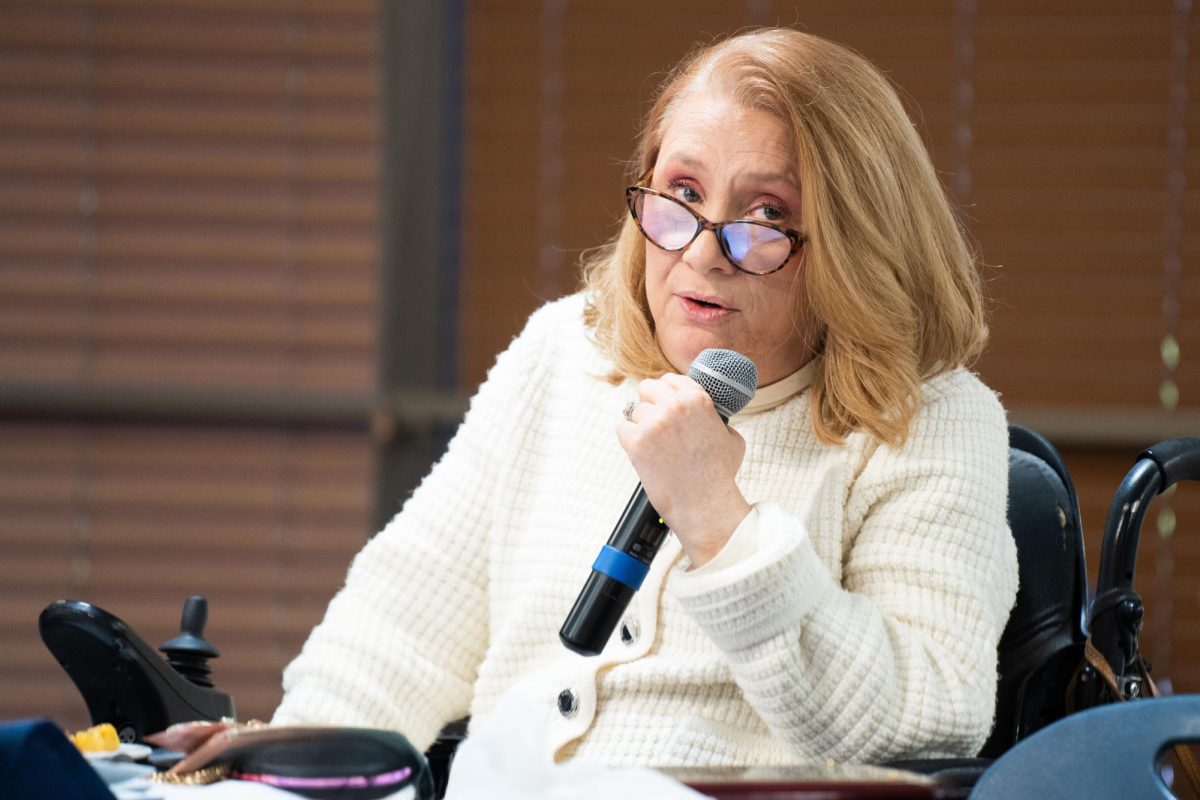





































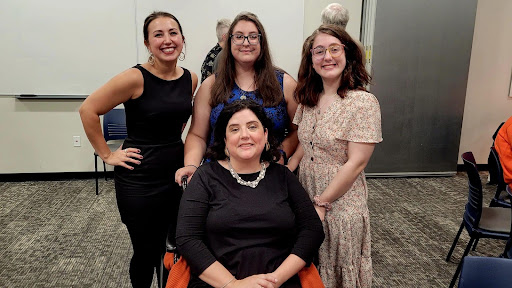
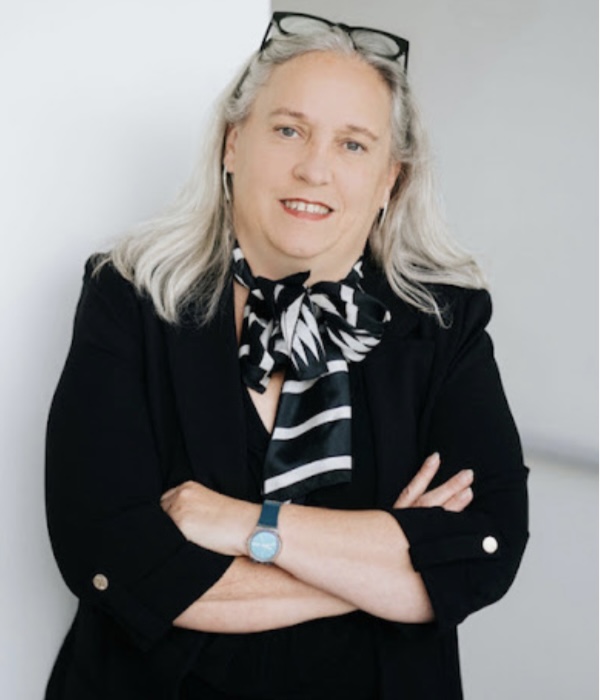






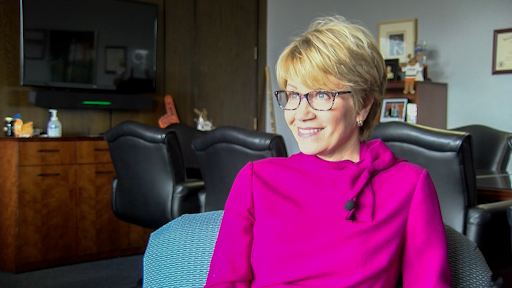





For many at Utica University, belonging is more than just a slogan or saying, it’s a value that defines the campus community. Few people embody that spirit more than Kira Maddox, the Director of the Office of Community, Belonging, Engagement, and Title VI Through a time of national outrage and institutional change, many say Maddox has remained a steady voice for inclusion and connection at Utica University.
The University’s DEI efforts have gone through several transformations in recent years. What started as a single Dean of Diversity under Student Affairs turned into the Division of DEI and Student Transitions in 2020, following the designation of Utica’s first Vice President for DEI and Chief Diversity Officer.
Maddox joined Utica in the fall of 2021 as the Communications and Community Engagement Coordinator. At that time, the Division consisted of just a small but dedicated team: Herself, a program coordinator, an executive director, and a project manager shared with the Center for Career Readiness, a fellow office within the Division at that time. Together, they laid the foundation for the initiatives that promoted understanding and inclusion across the campus.
“Although many students only know Utica University with a dedicated DEI division, that format was extremely new,” Maddox said. “Things have been ever-changing behind the scenes.”
In later years, the office went through several changes in title, from the “Office of DEI” to the “Office of DEI and Belonging,” reflecting its growing identity and purpose. But this year, national shifts in policy surrounding DEI brought new challenges.
The U.S. Department of Education’s “Dear Colleague” letter in February 2025 created panic and confusion about what DEI work could legally include under federal civil rights laws. Though it was later blocked by a court order, the panic caused many institutions to dismantle their DEI offices altogether.
Maddox was not surprised by the federal government’s decisions.
“President Trump’s platform during his campaign signaled significant changes for DEI,” she said. “I had been asking for a while, ‘What is Utica going to do about this?’ Still, I was surprised by how quickly changes could happen through an executive order.”
At Utica, the restructuring took a different path than many other universities. The university took it as an opportunity to re-examine its offerings, values and focus. The new Community, Belonging, and Engagement branch was formed under Human Resources, a move Maddox views as a strategic realignment rather than a loss.
“Working under HR has given me more credibility and leverage to collaborate across campus,” she said. “It’s strengthened partnerships with all constituent groups, from students to faculty to staff.”
Students involved in leadership roles say they have also seen that impact firsthand.
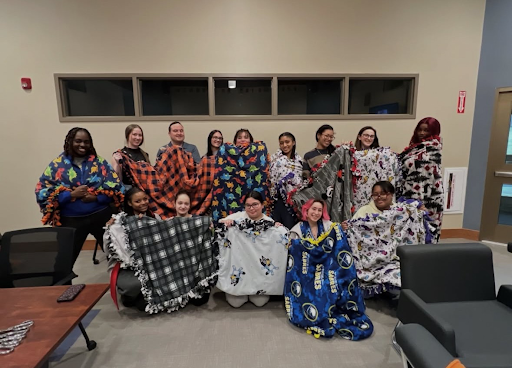
“My experience with Kira has been great,” said Zeniyah Gholson, president of Women in a New Direction (WiND). “She helps me make decisions, overcome barriers, provides resources and support, and paves the way for me to serve as a successful president.”
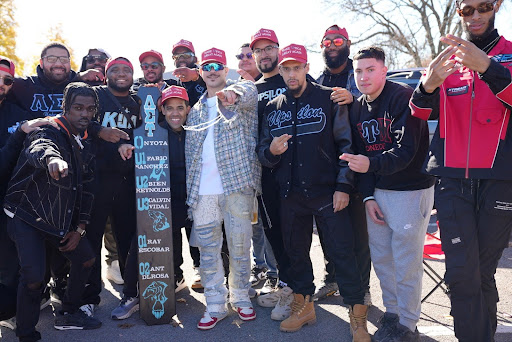
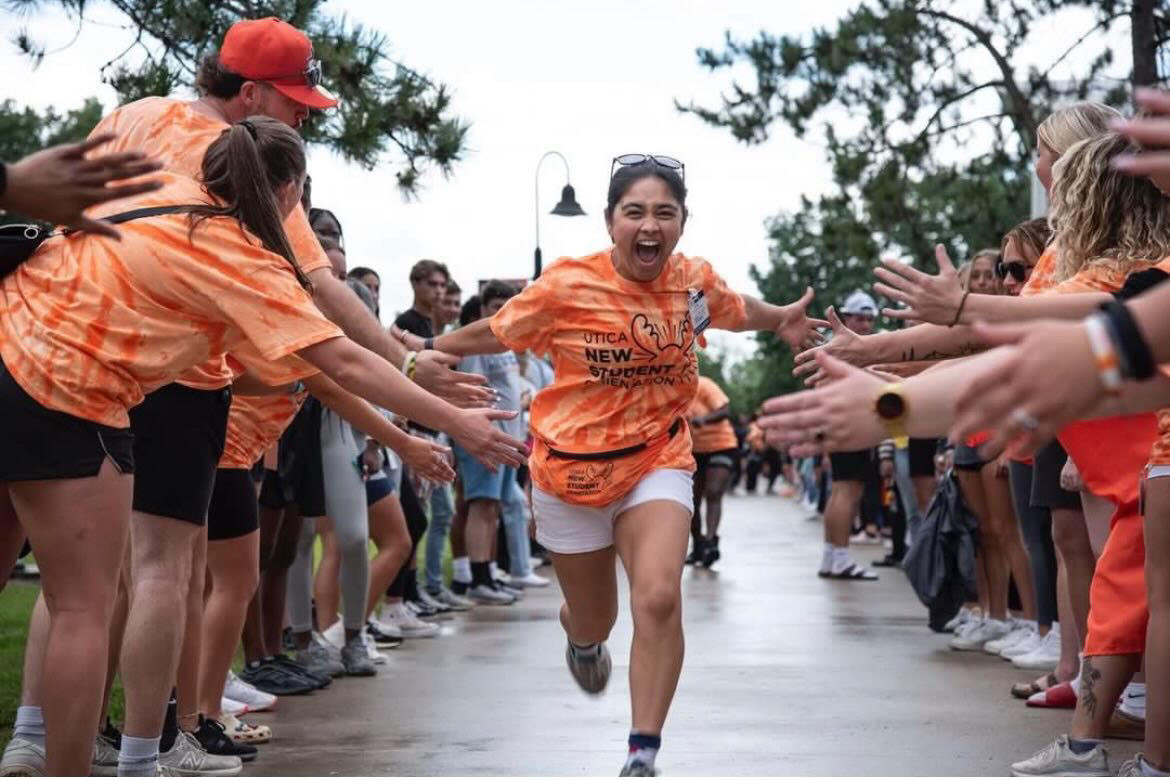
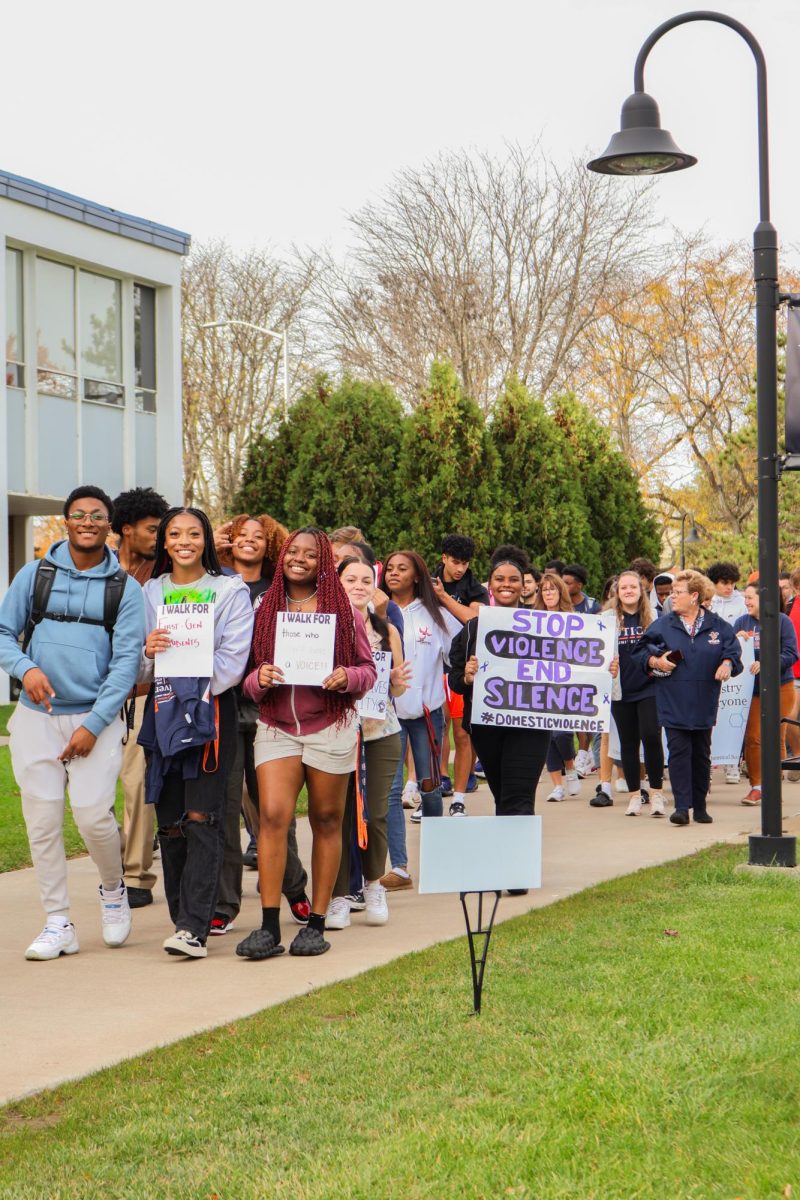
Despite the changes, Maddox continues to oversee Utica University’s traditions like the Unity Walk, the Excellence in Fostering Community and Belonging Awards, and the Bias Response and Referral Network, now reworked to align with New York State’s new Title VI reporting requirements. Her goal, she said, is to keep the spirit of diversity, equity, inclusion, and belonging alive through meaningful connections and education.
“I’m alarmed at how quickly changes are being pushed through at the federal level without clear, data-driven evaluation,” she said. “But I try to remain positive and strong for our community.”
Gholson said Maddox’s positivity helped her through moments of self doubt.
“I am new to being a student leader in such a high position, and I have bad anxiety,” she said. “When I came to Kira about being unsure if I could take on the presidency, she reassured me every step of the way. She told me she’d be there to ensure the future success of WiND.”
Rather than resisting change outright, Maddox has taken the opportunity to reimagine how her message of inclusion is represented.
“If saying ‘DEI’ causes people to shut down before the conversation even begins, maybe we need to rethink the language,” she said. “The mission has always been to bring people together.”
Her work has made a significant impact on Utica University, according to recent reports. Between 2019 and 2023, Utica’s campus climate data shows a 10% increase in students of color reporting a sense of belonging and confidence in faculty support.
“A 10% change may not sound like much, but it represents real progress,” Maddox said.
Maddox is eagerly awaiting the results of the 2025 Student Satisfaction Survey, which closes on Nov. 25, and will be working with a small group to analyze the results of a recent climate survey for faculty and staff. These will help shape her work going forward, she said.
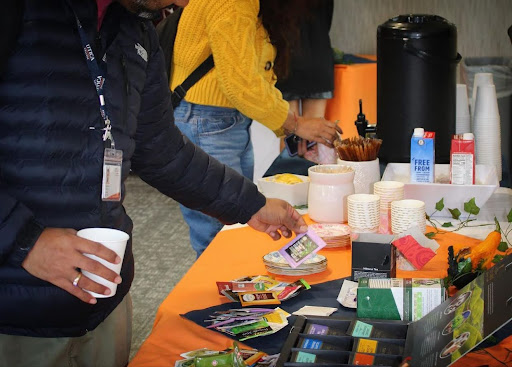
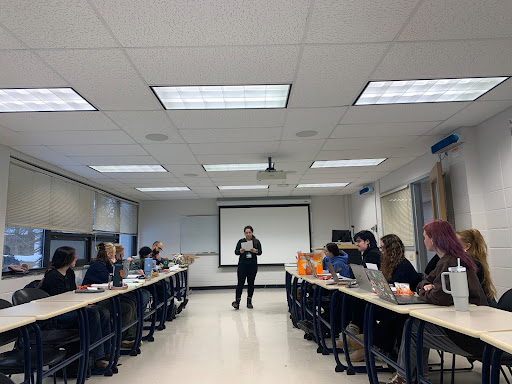
Now as Director of the program, Maddox has been reintroducing herself and her office to the Utica campus community. She has been setting up tables to speak and promote her programs during Campus Care Week, meeting with the Student Government Association, and presenting to the faculty and administrators.
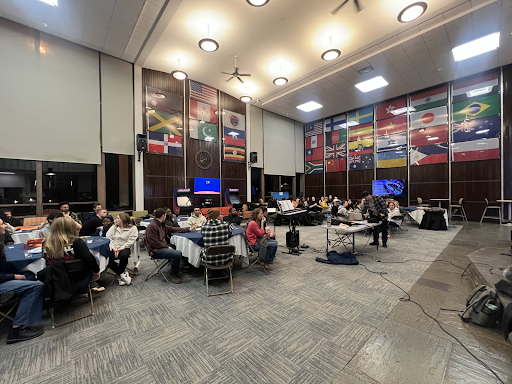
“Diversity and belonging aren’t limited to certain groups, they’re institutional values,” Maddox said. “My goal is to help people understand that fostering diverse perspectives is healthy, as long as we lead with respect.”
Many students repeated this message.
“Kira goes above and beyond for students,” Revati Nasikkar said. “Her patience, positivity, and dedication have meant so much.”
Gholson shared a similar statement.
“She was introduced to me through Dr. (Anthony) Baird and since then, she has been an incredible advisor,” she said. “She’s the reason I feel confident stepping into this leadership role.”