





































































There’s more to this story than will ever be made public.
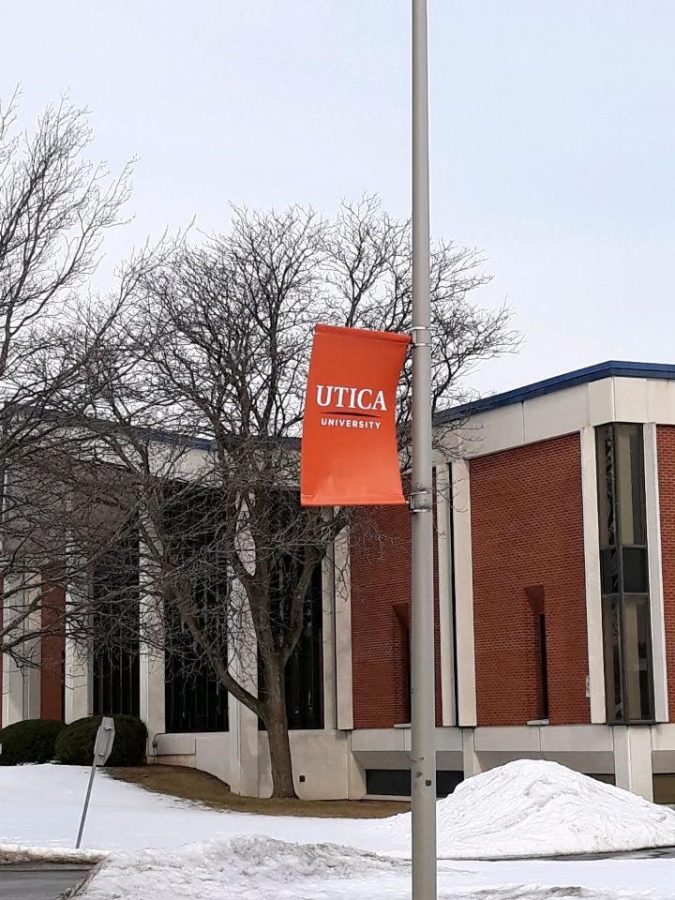
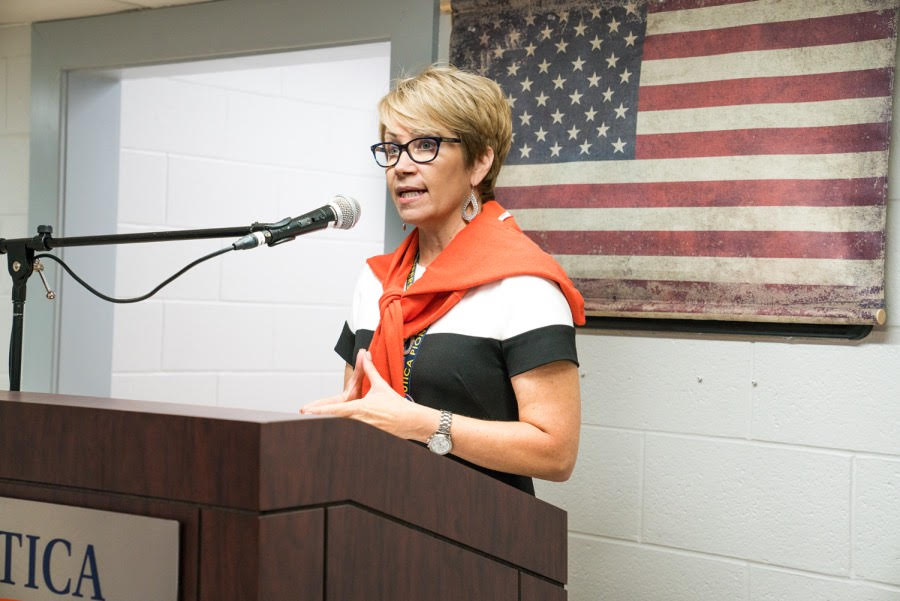
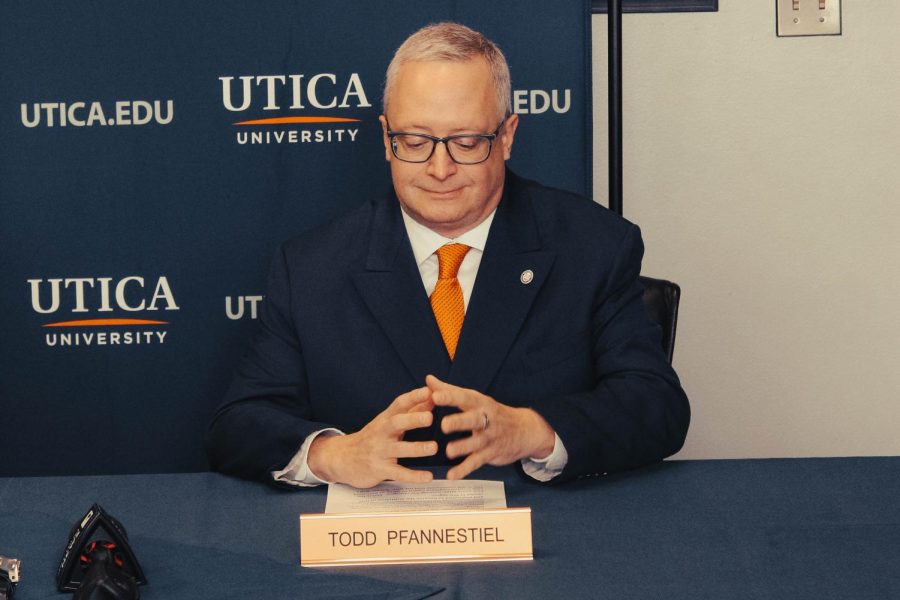
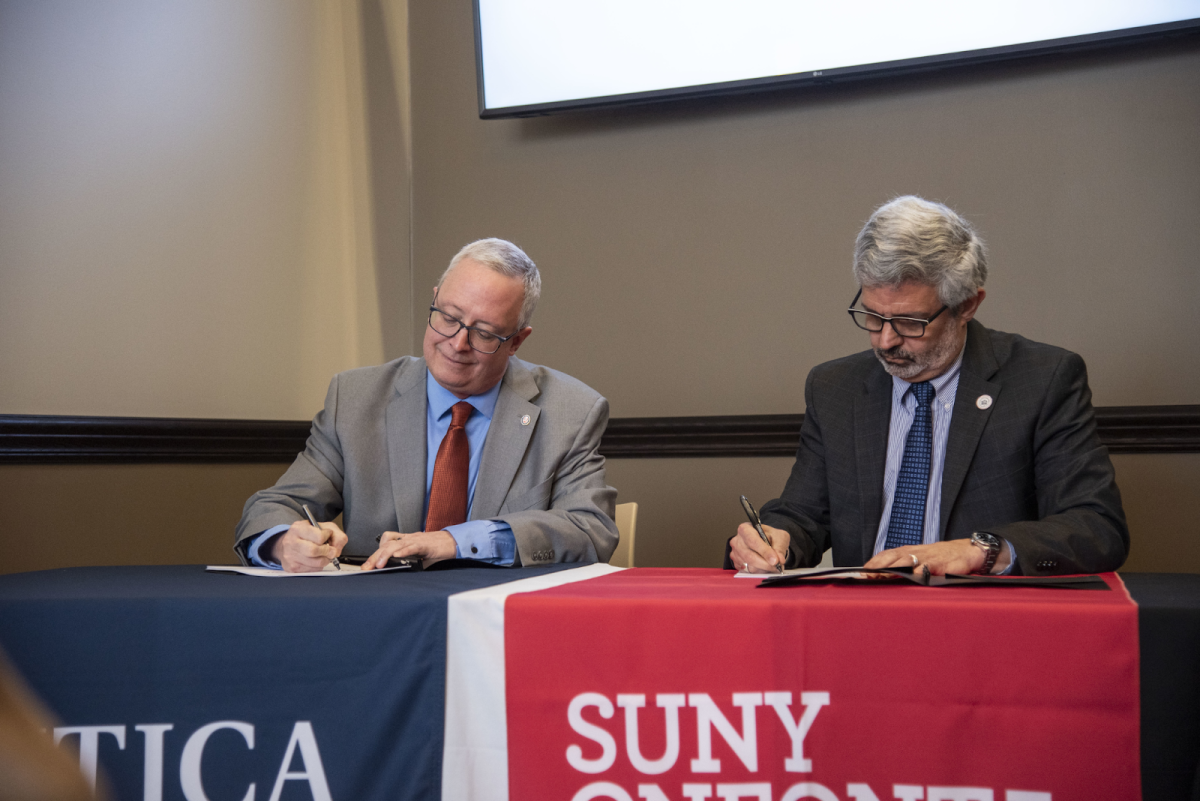
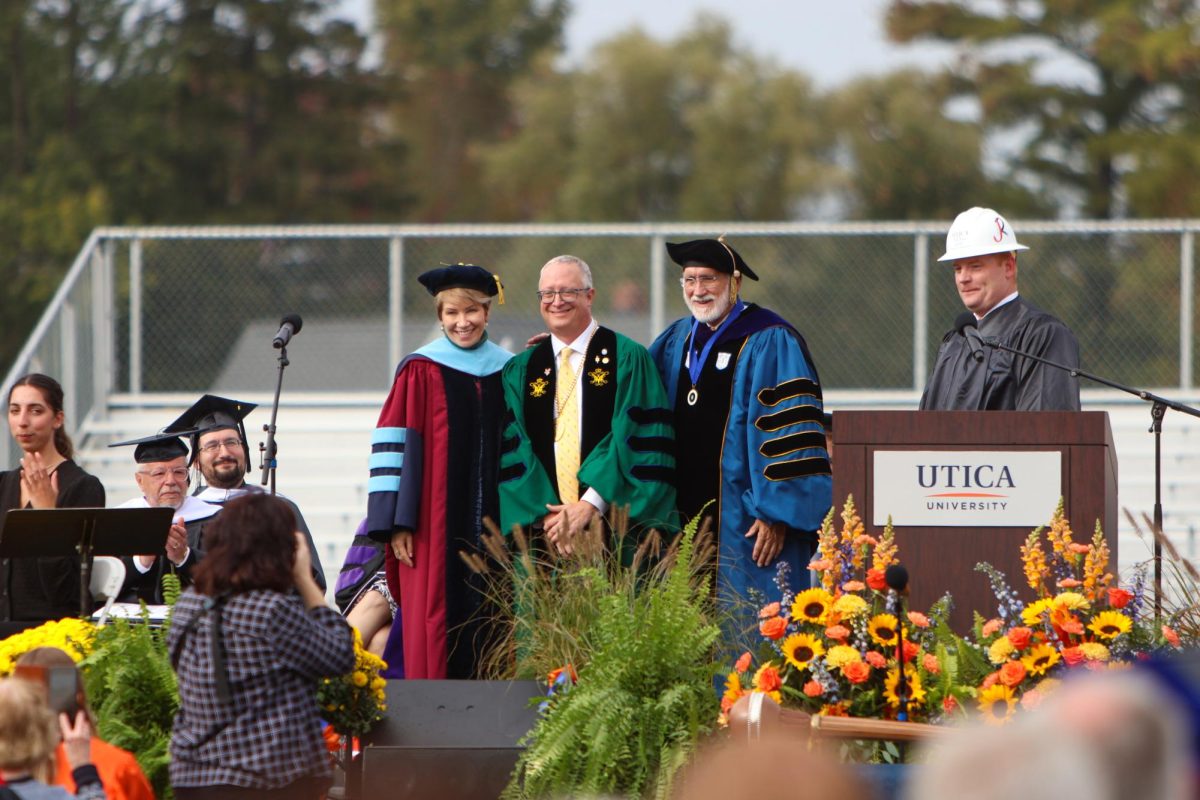
When the email arrived announcing President Todd Pfannestiel’s resignation, it read like the conclusion to a chapter that someone else decided to close. The entire student body was caught off guard, not because leadership changes are unheard of, but because of how sudden and quiet this one felt. Many of us saw a president who seemed genuinely invested in the university’s direction, someone who talked openly about wanting Utica to “feel like a university again.” That kind of vision doesn’t sound like someone ready to walk away.
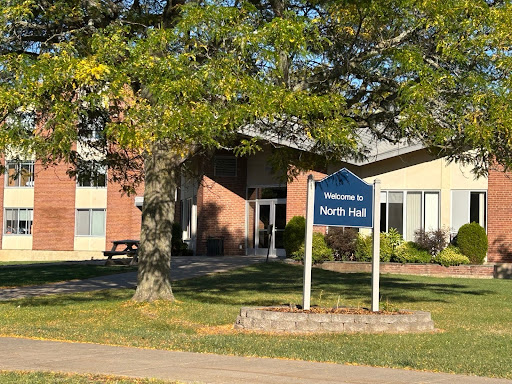
Dr. Pfannestiel often spoke about reshaping this campus, not just academically, but culturally. He wanted Utica to feel like more than a place where students come and go; he wanted it to feel alive. And at times, it showed its flashes. His involvement wasn’t performative; it felt like effort rooted in care.
Which makes this all feel even stranger. What caused his public identity of restoration to be shriveled up and thrown away a month after all the assurances he put into student leadership? How could someone who pushed through difficult restructuring and transparency suddenly resign?
The official statement from the Board of Trustees praises him for taking on “tough assignments with grace,” but the language also distances the institution from the decision. It suggests this was solely his choice. Yet no major university decision is ever made by one person. So why make him carry the weight of changes that were clearly shared across the administration?
If the president can be pushed out, how should staff and faculty feel in their day-to-day lives? What message does this send to those still here, trying to believe in the institution’s long-term vision?
Utica’s recent restructuring plan was framed as an act of foresight, a necessary adjustment to keep the university sustainable. But it’s hard to feel confident about the future when leadership changes are presented like closed cases, with no space for questions or accountability.
In moments like this, silence doesn’t protect the institution. It weakens it. Students, faculty, and alumni deserve clarity, not corporate phrasing that smooths over uncertainty.
Todd Pfannestiel’s chapter at Utica University shouldn’t be remembered as an ending, but as a reminder. A reminder that real leadership means showing up, listening and believing in what a place can still become. And if someone like that can be written out so suddenly, then maybe the institution owes us all more than just an announcement.